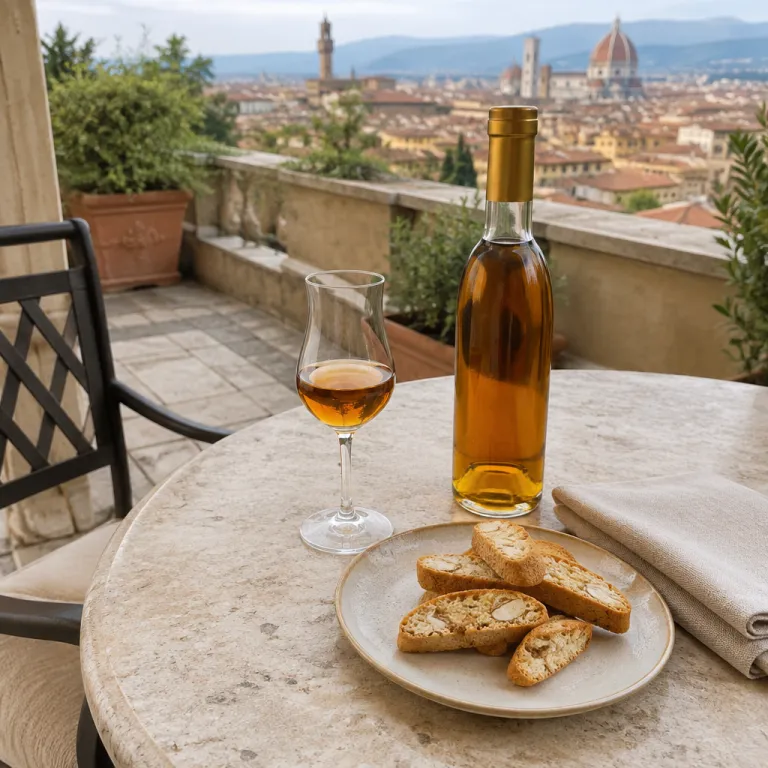
Why vin santo del Chianti matters when choosing a Florence hotel
Florence is the natural gateway to vin santo del Chianti, and your hotel choice quietly shapes how deeply you can engage with this historic Tuscan dessert wine. In the hills of Chianti and Chianti Classico just beyond the city, producers still craft vin santo as a DOC passito wine using patiently dried grapes and tiny barrels called caratelli. Staying in Florence places you within easy reach of these cellars, while giving you refined hotel service, curated wine lists, and concierge teams who understand serious wine travel.
Many central properties now highlight vin santo on their menus, often listing both classic white versions and the rarer red wine style known as Occhio di Pernice. Ask in advance whether the bar team offers guided tastings of several wines, including at least one Chianti DOC and one Chianti Classico DOCG, so you can compare a structured red with a richly sweet dessert wine. When a hotel sommelier talks you through trebbiano Toscana, malvasia bianca, and the role of dried grapes in shaping sweetness, you gain context before you ever set foot in a countryside cellar.
Location matters for timing as well, because many estates welcome visitors only at specific hours and require a minimum booking notice of 24–48 hours. A hotel near Santa Maria Novella station simplifies transfers to Chianti, with typical driving times of 40–60 minutes, while a quieter address in the Oltrarno may suit guests who prefer to end the day with a calm glass of vin santo. Either way, choosing a property that respects wine culture ensures that every glass of santo del Chianti feels integrated into your stay rather than an afterthought.
From Florence lobby to Chianti cellar: planning a vin santo day
Once your Florence hotel is booked, use the concierge as your first ally in planning a vin santo del Chianti excursion. Many concierges maintain direct relationships with producers and with the Consorzio Vino Chianti, the regulatory body that oversees DOC rules and protects the identity of these wines. This means they can secure tastings at estates that still age vin santo in traditional vinsantaia attics, where caratelli barrels rest under wooden beams while wine slowly evolves.
Ask specifically for itineraries that combine Chianti DOC reds with at least one dedicated vin santo flight, so you can taste how trebbiano, malvasia, and sometimes sangiovese grapes behave when wine is dried before fermentation. A well designed route will usually include a Chianti Classico red wine, a Chianti Classico DOCG riserva, and then several sweet wines, ranging from lighter white dessert wine styles to deeper Occhio di Pernice. Hotels that understand these nuances will also time your visits around food pairing opportunities, such as a late afternoon tasting with local cheese, cantucci biscuits, and estate olive oil.
To understand how your base in the city shapes logistics, read a focused guide on how your Florence hotel choice shapes a Chianti wine tour day. Properties with early breakfast service make it easier to reach vineyards by mid morning, which is ideal if you want to see drying rooms where bunches of trebbiano Toscana and malvasia trebbiano hang in airy spaces. When you return in the evening, a hotel bar that pours several styles of vin santo allows you to revisit the day’s flavours in a calmer, more reflective setting.
Understanding vin santo del Chianti before you taste it
Knowing what is in your glass will deepen every sip you take in Florence, whether you are in a hotel lounge or a Chianti farmhouse. Vin santo del Chianti is a DOC wine from Tuscany made by drying grapes for months, then fermenting and ageing the wine in small wooden barrels called caratelli. According to the official disciplinare for Vin Santo del Chianti DOC, the rules require a minimum ageing period of three years in wood, and at least seventy percent of the blend must come from white grapes such as trebbiano Toscana and malvasia bianca for the classic style.
Producers spread bunches of trebbiano and malvasia on mats or hang them in well ventilated rooms, creating wine from naturally dehydrated fruit rather than from artificial heat. These dried grapes concentrate sugar and flavour, which explains why vin santo can range from gently sweet to intensely rich dessert wine, while still retaining freshness. The red wine variation, Occhio di Pernice, uses at least fifty percent sangiovese grapes under DOC rules and yields a deeper colour, a richer texture, and flavours that bridge the gap between red wines and classic dessert wines.
Historically, this santo wine has been linked to Christian liturgy and hospitality since the Middle Ages, when families would offer a small glass to honoured guests. Today, the Consorzio Vino Chianti summarises the style clearly in its own words: “DOC sweet to semi-sweet passito dessert wine of Chianti, Tuscany”. For hotel guests, understanding that phrase helps decode wine lists, because you can distinguish between a simple sweet wine and a structured classico DOC vin santo del Chianti that can age gracefully for decades, often showing total acidity around 6–8 g/l and residual sugar from roughly 90 to over 200 g/l depending on the producer.
How Florence hotels curate vin santo, wine lists, and food pairing
In Florence, the most wine literate hotels treat vin santo del Chianti as a signature of place rather than a casual after dinner option. On their lists, you will often see several vintages of vin santo alongside Chianti DOC reds, Chianti Classico labels, and sometimes a rare Occhio di Pernice for guests who enjoy red dessert wine. This range allows you to compare how different grapes, ageing times, and levels of sweetness influence the final glass.
Pay attention to how the bar or restaurant pairs santo del Chianti with food, because thoughtful food pairing reveals real expertise. The classic match is vin santo with cantucci biscuits, yet many chefs now serve it with aged cheese, blue cheese, or even savoury dishes that feature Tuscan olive oil for contrast. When a sommelier suggests both white and red wines alongside a tasting menu, ask them to finish with an opulent vin santo and then explain how trebbiano, malvasia trebbiano, and wine dried in caratelli shape the aromas you are noticing.
Some properties go further and organise in house tastings that compare several dessert wines from Tuscany with international styles, so guests can understand why vin santo stands apart. These sessions often highlight the minimum DOC requirements, the role of the vinsantaia attic, and the difference between classico DOC labels and simpler regional wines. If you are planning a romantic stay, look for hotels that combine such tastings with private terraces or candlelit tables, and consult this guide to romantic things to do in Florence for an unforgettable stay to weave wine into your wider itinerary.
Designing Chianti Classico and vin santo routes from your hotel
Once you have tasted a few glasses in Florence, you may want to visit the landscapes where vin santo del Chianti is born. From most central hotels, the drive to the Chianti Classico hills takes less than an hour, yet the change in atmosphere is immediate as vineyards and olive groves replace stone palazzi. A well planned route will combine estates known for structured Chianti Classico red wine with smaller producers who specialise in vin santo and carefully maintained caratelli cellars, such as Fèlsina in Castelnuovo Berardenga or Isole e Olena near Barberino Tavarnelle.
When comparing tour options, prioritise those that include at least one visit focused on dessert wine, not only on reds. Ask whether you will see drying rooms where bunches of trebbiano Toscana and malvasia bianca become dried grapes over three to six months, and whether the estate still uses a “mother” yeast from previous vintages. Tours that explain these details help you understand why some vin santo tastes gently sweet while others feel intensely concentrated, and why classico DOC bottlings often command higher prices than simpler wines.
For a structured overview of how to align these excursions with your accommodation, consult a specialist guide on how to choose the best Tuscan wine tours from Florence for your hotel stay. It will help you evaluate whether a private driver, a small group tour, or a self drive itinerary best suits your schedule and your interest in wine. Whatever you choose, returning to a Florence hotel bar where you can order both Chianti DOC red wines and a glass of santo del Chianti allows you to relive the countryside experience without leaving the city.
What to look for on labels and wine lists during your stay
Reading labels with confidence transforms every hotel wine list into an opportunity rather than a puzzle. When you see “vin santo del Chianti DOC” or “vin santo del Chianti Classico DOC”, you are looking at wines that follow strict rules on grapes, minimum ageing, and production zones. The mention of trebbiano Toscana, malvasia bianca, or malvasia trebbiano on a back label signals a traditional white dessert wine style, while “Occhio di Pernice” indicates a red wine expression with a significant proportion of sangiovese.
Pay attention to ageing statements, because longer time in caratelli usually means greater complexity and a more intense sweet profile. Some producers bottle both a fresher, lighter vin santo and a more concentrated version from wine dried for longer, and your sommelier can guide you toward the best choice for your palate. If you enjoy pairing cheese with wine, ask for a flight that includes a Chianti Classico red, a Chianti DOC, and a vin santo, then taste them in sequence with aged pecorino, blue cheese, and almond biscuits.
Hotel staff who are trained in Tuscan wines will also explain how olive oil and wine olive groves share the same hillsides, contributing to the region’s character. They may suggest visiting estates that produce both high quality extra virgin olive oil and vin santo, such as Avignonesi or Fèlsina, so you can see how these products coexist in the same terroir. By the end of your stay, you will be able to distinguish between simple sweet wines and serious classico DOC vin santo del Chianti that deserves a place in your luggage for the journey home.
Bringing vin santo del Chianti home from your Florence base
Many travellers fall for vin santo del Chianti in a Florence hotel bar, then wonder how to transport that experience home. The key is to buy thoughtfully, focusing on producers whose wines impressed you during tastings in Chianti or during curated flights in the hotel lounge. Because vin santo is naturally resilient thanks to its sweetness and oxidative ageing in caratelli, it travels well, making it one of the best Tuscan souvenirs for wine lovers.
Ask your concierge which local enotecas specialise in dessert wines from Tuscany, including both white and red versions of santo del Chianti. These shops often stock multiple vintages from the same estate, allowing you to compare a younger, gently sweet bottle with an older, more unctuous release that spent longer in wood. When choosing, consider how you plan to serve the wine at home, whether with cheese, with classic cantucci biscuits, or as a meditative glass on its own after a meal.
Remember that vin santo is more than a sweet wine; it is a link to the Middle Ages, to family traditions, and to the hospitality that still defines Florence today. By selecting bottles that mention trebbiano Toscana, malvasia bianca, Chianti DOC, or Chianti Classico DOC on the label, you ensure that what you are buying reflects the landscapes you explored. Each time you open one, you will recall not only the taste of dried grapes and Tuscan sun, but also the quiet elegance of the hotel where your relationship with vin santo del Chianti truly began.
Key figures and regulations for vin santo del Chianti
- The DOC regulations for vin santo del Chianti require a minimum ageing period of three years in small wooden barrels, which explains the wine’s complexity and higher price compared with many other dessert wines; the official disciplinare also allows longer ageing for riserva bottlings.
- At least seventy percent of the blend for traditional white vin santo del Chianti must come from trebbiano Toscana and malvasia bianca grapes, ensuring that local varieties define the style rather than international grapes, with many benchmark producers exceeding this minimum.
- Drying periods for the grapes typically range from three to six months, allowing water to evaporate and sugars to concentrate naturally before fermentation, which is the basis for the wine’s sweet profile and residual sugar levels that can exceed 100 g/l in richer examples.
- The Occhio di Pernice style of vin santo del Chianti must contain at least fifty percent sangiovese, creating a red dessert wine that bridges the gap between classic Chianti reds and traditional white vin santo while still respecting DOC rules on ageing and production zones.
- Growing global demand for dessert wines has increased interest in vin santo del Chianti, encouraging more producers in the Chianti and Chianti Classico zones to maintain or revive their historic caratelli cellars and to bottle single vintage vinsantaia selections.
FAQ about vin santo del Chianti for Florence hotel guests
What grapes are used to make vin santo del Chianti ?
Traditional vin santo del Chianti relies mainly on trebbiano Toscana and malvasia bianca lunga, which are local white grapes that dry well and retain acidity. Some producers also include a small proportion of sangiovese, especially for the Occhio di Pernice red style. The DOC rules require that at least seventy percent of the blend for white versions comes from trebbiano and malvasia, preserving the regional character.
What is Occhio di Pernice in the context of vin santo ?
Occhio di Pernice is a specific style of vin santo del Chianti made with at least fifty percent sangiovese grapes, which are usually associated with Chianti red wines. This creates a darker, more structured dessert wine that shows flavours of dried red fruit, nuts, and spice. Many Florence hotels list it alongside classic white vin santo so guests can compare the two expressions.
How sweet is vin santo del Chianti compared with other dessert wines ?
Vin santo del Chianti is generally a sweet to very sweet dessert wine, with residual sugar levels that can be quite high, yet balanced by acidity. Styles range from relatively dry or medium sweet to intensely rich, depending on how long the grapes are dried and how the wine ages in caratelli. When reading a hotel wine list, ask the sommelier to explain where each bottle sits on this spectrum so you can match it to your taste.
How should I pair vin santo during my stay in Florence ?
The classic pairing is vin santo with cantucci, the almond biscuits that many Florence hotels serve after dinner. It also works beautifully with aged cheese, blue cheese, and desserts that feature nuts, honey, or dried fruit, especially when the wine is particularly sweet. Some sommeliers even suggest pairing lighter styles with foie gras or savoury dishes that include Tuscan olive oil for a contrast of textures.
Can I visit producers of vin santo del Chianti from my Florence hotel ?
Yes, Florence is an ideal base for visiting vin santo del Chianti producers in the surrounding Chianti and Chianti Classico areas. Many hotels collaborate with local vineyards and can arrange private drivers or small group tours that include cellar visits, tastings of both red wines and dessert wines, and walks through drying rooms. Booking through your hotel concierge ensures that visits respect estate schedules and DOC regulations, giving you a more authentic experience.