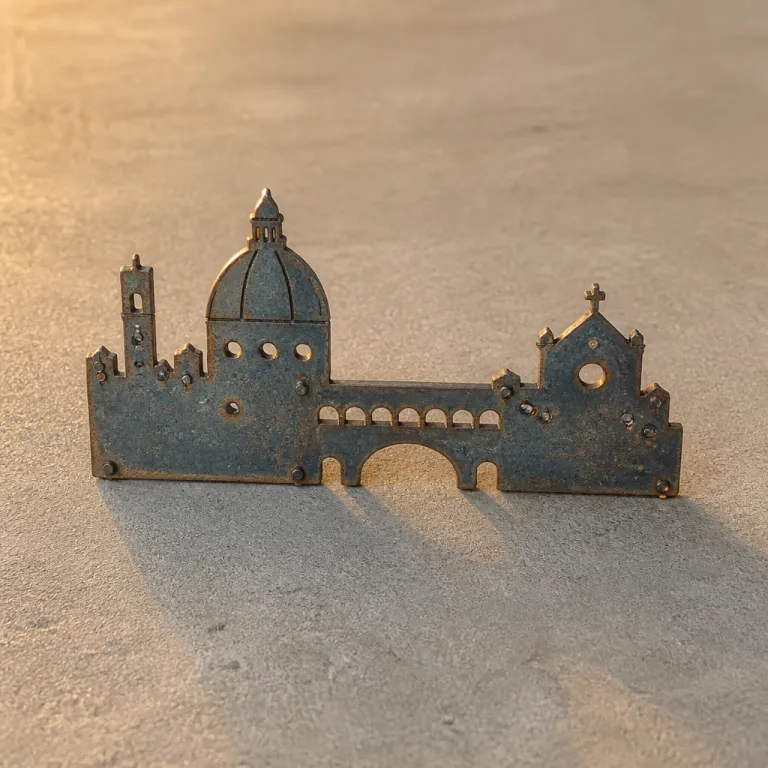
What Florence, Italy is known for when you are choosing where to stay
Florence, Italy is known above all for Renaissance art, harmonious architecture, and a compact centro storico that feels like an open air museum. When you plan a stay in Florence Italy, the question is not only what Florence is famous for, but how close your hotel will place you to those masterpieces at the right time of day. Understanding what Florence Italy is known for helps you decide whether to stay Florence near the Duomo, by the Arno, or in quieter residential streets that still keep you within a 10 to 15 minute walk of the main piazza.
When travellers ask what Florence Italy is known for, the answer often begins with the Duomo, the cathedral whose dome by Filippo Brunelleschi rises about 116 metres above the city and anchors almost every view. The Duomo complex, with the Baptistery and Giotto’s bell tower, sits at the heart of the centro storico, and a hotel within a short walking distance lets you climb the dome early, then return to rest before the crowds and heat build. If you stay Florence in this area, you are also within easy reach of Santa Maria Novella station, the Uffizi Gallery, and the Arno river, which makes both cultural day trips and evening strolls along Ponte Vecchio effortless.
Florence is also known for the Medici legacy, which shaped the city’s palazzo lined streets, its museum collections, and its patronage of artists such as Michelangelo Buonarroti. Cultural authorities and guidebooks often summarise the city with the phrase, “What is Florence famous for? Renaissance art and architecture.” When you choose a hotel, consider how quickly you can walk from your lobby to Palazzo Vecchio in Piazza della Signoria, to Palazzo Pitti and the Boboli Gardens across Ponte Vecchio, or to the basilica Santa Croce and Santa Maria Novella churches, because these are the Florence attractions travellers remember long after their trip ends.
Staying near the Duomo, Piazza della Signoria, and the Uffizi Gallery
For many guests, the best answer to what Florence Italy is known for is the tight cluster of landmarks around the Duomo, Piazza della Signoria, and the Uffizi Gallery. A hotel in this triangle places you within a five to ten minute walk of the Uffizi, Palazzo Vecchio, and the Arno, so you can reserve timed museum entries and still return to your room between visits. This central position also means that at any time of day you can step out to read the city’s layers of history in its stone façades, then retreat quickly when the streets feel too crowded.
The Uffizi Gallery holds thousands of artworks, including Botticelli’s Birth of Venus, and it is one of the main reasons Florence Italy welcomes more than 10 million visitors annually. If you stay Florence near the Uffizi, you can book early morning or late afternoon access packages that combine the gallery with Palazzo Pitti or the Boboli Gardens, turning separate tickets into a coherent art themed day trip within the city. Many hotels now coordinate such museum access packages, pairing Uffizi timed tickets or Duomo reservations with private guides who explain how Medici patronage, linear perspective, and humanist ideas shaped Renaissance art.
Piazza della Signoria, framed by Palazzo Vecchio and the Loggia dei Lanzi, is another area where staying nearby transforms what Florence is for you from a checklist of things into a lived experience. When your hotel is close, you can see the statues in changing light, from the replica of Michelangelo’s David to Cellini’s Perseus, then slip back for a quiet hour before heading out again for dinner. This rhythm of short walks and frequent pauses makes the intense art and museum programme of Florence Italy feel not only worth the effort, but also surprisingly gentle on your energy.
Choosing between the Arno, Santa Croce, and Santa Maria Novella districts
Once you know what Florence Italy is known for, the next decision is which neighbourhood best matches your travel style and museum priorities. Along the Arno near Ponte Vecchio, many hotels offer river views and quick access to both the Uffizi side and the Oltrarno, where Palazzo Pitti and the Boboli Gardens sit just beyond the bridge. Staying here suits guests who want to walk by the water at any time, cross Ponte Vecchio in the quieter morning, and still reach the Duomo or Piazza della Signoria in about ten minutes.
East of the centro storico, the Santa Croce area feels slightly less crowded while still being firmly inside the historic city fabric. A hotel near the basilica Santa Croce places you close to the tombs of Michelangelo and other Renaissance figures, and you can read the story of Florence Italy on their marble slabs before wandering back through artisan streets. This district is ideal if you want evenings filled with local restaurants, easy access to the river, and a short walk to museums without the constant foot traffic that surrounds the Duomo.
On the western side, near Santa Maria Novella station and the basilica of Santa Maria Novella, you gain excellent transport links for day trips while remaining within a 10 to 12 minute walk of the Duomo and the main piazza. Hotels here are practical for travellers planning a day trip to Pisa, a combined Florence Pisa itinerary, or onward journeys to San Gimignano and other Tuscan towns. When you stay Florence in this area, you balance what Florence is known for, such as Renaissance art and Medici palazzi, with the convenience of quick train access and slightly quieter streets at night.
Art, culture, and museum access packages from your hotel
For guests who care deeply about what Florence Italy is known for, curated art and museum access packages arranged through your hotel can be the most efficient way to experience the city. Many properties now work with licensed guides and ticketing partners to secure timed entry for the Uffizi Gallery, the Accademia, and the Duomo climb, then combine them into half day or full day itineraries. This approach saves time in queues, structures your trip around the best hours for each museum, and lets you return to your room between intense cultural visits.
A typical package might start with an early Uffizi visit, followed by a guided walk through Piazza della Signoria and into Palazzo Vecchio, where you learn how the Medici family used this palazzo as a seat of power. After a midday rest back at your hotel, the same package could include an afternoon visit to Santa Croce or Santa Maria Novella, where you see frescoes that show why Florence Italy is considered the cradle of the Renaissance. Some hotels extend these experiences with evening access to Palazzo Pitti and the Boboli Gardens, allowing you to read the city’s history in the changing light over the Arno.
For travellers planning more than one day trip, certain hotels also coordinate cultural day trips that link Florence with Pisa or San Gimignano, framing them as extensions of what Florence is known for rather than separate excursions. A Florence Pisa combination might focus on Romanesque architecture and the role of maritime trade, while a San Gimignano day trip explores medieval towers and wine culture before you return to your Florence Italy base. When you book such packages through your hotel, you gain a coherent narrative that ties together the Duomo, Ponte Vecchio, Medici palaces, and surrounding Tuscan towns into one continuous story.
Planning your time in Florence around masterpieces and quiet moments
Knowing what Florence Italy is known for helps you plan not only where to stay, but how to use your time so the city never feels overwhelming. The highest impact experiences, such as climbing the Duomo, visiting the Uffizi Gallery, or standing before Michelangelo’s David at the Accademia, are best scheduled early in the morning or late in the afternoon. With a centrally located hotel, you can shape a refined three day Florence itinerary from your hotel base, and resources such as this detailed guide on how to shape a refined Florence itinerary from your hotel can help you structure those days thoughtfully: refined Florence itinerary from your hotel.
Between major museum visits, allow time to read the city at street level, wandering from one piazza to another and pausing in smaller churches that hold quietly important works of art. Walking from Piazza della Signoria to Santa Croce, then across Ponte Vecchio toward Palazzo Pitti, you will see why Florence Italy is worth more than a rushed checklist of things Florence visitors try to squeeze into a single day. When your hotel is within the centro storico, these walks rarely exceed 20 to 25 minutes, which makes it easy to return for a rest, a shower, or a change of clothes before heading out again.
Evenings are ideal for revisiting the places that define what Florence is known for, but in softer light and with fewer crowds. A slow circuit from the Duomo to Piazza della Repubblica, then down to the river and across Ponte Vecchio, lets you see the city’s palazzo façades and church domes reflected in the Arno. This is also the time when many guests appreciate having a hotel terrace or lounge, where they can reflect on the day’s art and museums while planning the next morning’s visits to the Uffizi, Palazzo Vecchio, or the Boboli Gardens.
Extending your stay with Florence Pisa and San Gimignano day trips
Once you have experienced the main things Florence is known for, such as the Duomo, the Uffizi Gallery, and the Medici palaces, it often makes sense to add one or two day trips. From Santa Maria Novella station, frequent trains connect Florence Italy with Pisa in about one hour, making a Florence Pisa combination straightforward even for first time visitors. Many hotels can arrange guided Florence Pisa packages that focus on the Leaning Tower, the cathedral, and the baptistery, then bring you back to your Florence hotel in time for an evening walk through the centro storico.
San Gimignano, reachable by bus or private transfer, offers a different perspective on what Florence Italy is known for by contrasting the city’s Renaissance harmony with a hill town of medieval towers. A day trip to San Gimignano can be framed as a journey through time, starting from your Florence base near the Duomo or Santa Croce, then returning in the evening to the refined streets and piazza lined palazzi of the city. Hotels that specialise in cultural experiences often combine San Gimignano with wine tastings or visits to nearby estates, which adds a sensory layer to your understanding of Tuscany.
When planning these day trips, consider how they fit with your museum schedule in Florence so that you do not cluster too many intense days together. A balanced itinerary might alternate a full museum day, including the Uffizi and Palazzo Vecchio, with a quieter day trip to Pisa or San Gimignano, then a slower day focused on churches such as Santa Maria Novella and basilica Santa Croce. This rhythm ensures that what Florence is known for, from Renaissance art to riverfront walks by Ponte Vecchio, remains a pleasure rather than a race against time.
How to choose the best hotel location for your Florence art focused trip
For travellers who care about what Florence Italy is known for, the best hotel is the one that aligns your doorstep with your priorities, whether that means the Duomo, the Uffizi, or quieter corners near Santa Croce. If your main goal is to visit the Uffizi Gallery, Palazzo Vecchio, and the Duomo with minimal walking, choose a hotel in the centro storico between Piazza della Signoria and Piazza del Duomo. Guests who value evening atmosphere and riverside views might prefer the Arno side near Ponte Vecchio, while those planning multiple day trips often favour the Santa Maria Novella area for its proximity to trains.
When comparing options, ask each hotel specific questions about museum access packages, guided tours, and timed ticket assistance, because these services can transform your experience of what Florence is known for. A property that can secure early Uffizi entry, arrange a Duomo climb with a knowledgeable guide, and coordinate visits to Palazzo Pitti and the Boboli Gardens will save you hours of queueing and uncertainty. It is also worth checking how long it takes on foot from the lobby to key sites such as basilica Santa Croce, Santa Maria Novella, and Piazza della Signoria, since those minutes add up over a three or four night stay.
Finally, consider how the hotel’s public spaces support the reflective side of an art focused trip to Florence Italy, because you will want quiet corners to read about Michelangelo, the Medici, and the Renaissance between excursions. A calm lounge or terrace allows you to process what Florence is known for, from the engineering of Brunelleschi’s dome to the political symbolism of Palazzo Vecchio, without feeling rushed. When these elements align, your stay Florence becomes more than accommodation, turning into a thoughtful base from which the city’s museums, churches, and palazzi unfold at exactly the right pace.
Key figures that show what Florence, Italy is known for
- Florence welcomes more than 10 million visitors each year, according to the Florence Tourism Board and other official statistics, which underlines how strongly the city’s Renaissance art and architecture continue to attract global travellers.
- The dome of the Duomo, designed by Filippo Brunelleschi, rises to about 116 metres above the city, a height recorded by UNESCO and architectural studies that still defines the Florence skyline and orients visitors as they walk.
- The Uffizi Gallery houses roughly 3,000 artworks on display, based on figures from the Uffizi Gallery official website, which explains why timed tickets and hotel coordinated access packages are so valuable for managing your visit.
FAQ: what Florence, Italy is known for when booking a hotel
What is Florence famous for beyond the Duomo and Ponte Vecchio ?
Florence is famous for its role in the Renaissance, its concentration of museums such as the Uffizi Gallery and the Accademia, and its Medici palaces including Palazzo Vecchio and Palazzo Pitti. The city is also known for churches such as Santa Maria Novella and basilica Santa Croce, where important tombs and frescoes illustrate the evolution of Italian art. When you book a hotel, staying near these sites makes it easier to experience this cultural density without long commutes.
Who designed the Duomo’s dome, and can I visit it from a central hotel ?
The dome of the Florence cathedral was designed by architect Filippo Brunelleschi, whose engineering solution became a symbol of Renaissance innovation. Hotels in the centro storico around the Duomo and Piazza della Signoria are within a short walk of the cathedral, and many can help you reserve timed climbs to the dome. Staying nearby allows you to schedule the visit early in the morning, then return to your room before continuing to other museums.
Where is Michelangelo’s David located, and how does that affect where I stay ?
Michelangelo’s David is located in the Galleria dell’Accademia in Florence, a museum about ten to fifteen minutes on foot from the Duomo and Piazza della Signoria. Choosing a hotel in the central area between the cathedral and Santa Maria Novella station keeps you within easy walking distance of the Accademia. This location also simplifies combining a visit to David with time at the Uffizi Gallery or Palazzo Vecchio on the same day.
Is Florence a good base for day trips to Pisa and San Gimignano ?
Florence is an excellent base for day trips to Pisa and San Gimignano, thanks to frequent trains and organised tours. Hotels near Santa Maria Novella station are particularly convenient if you plan a Florence Pisa combination or multiple excursions into Tuscany. From these locations, you can enjoy the main things Florence is known for in the morning or evening, while dedicating one or two days to exploring the wider region.
How many days should I stay in Florence to enjoy its museums comfortably ?
A stay of at least three nights in Florence allows you to visit the Duomo complex, the Uffizi Gallery, the Accademia, and key churches such as Santa Croce without rushing. With four or five nights, you can add Palazzo Pitti, the Boboli Gardens, and one or two day trips while still leaving time to wander the centro storico. The more central your hotel, the easier it becomes to spread these visits across your stay and keep each day balanced.
References
- Florence Tourism Board
- UNESCO World Heritage Centre
- Uffizi Gallery official website