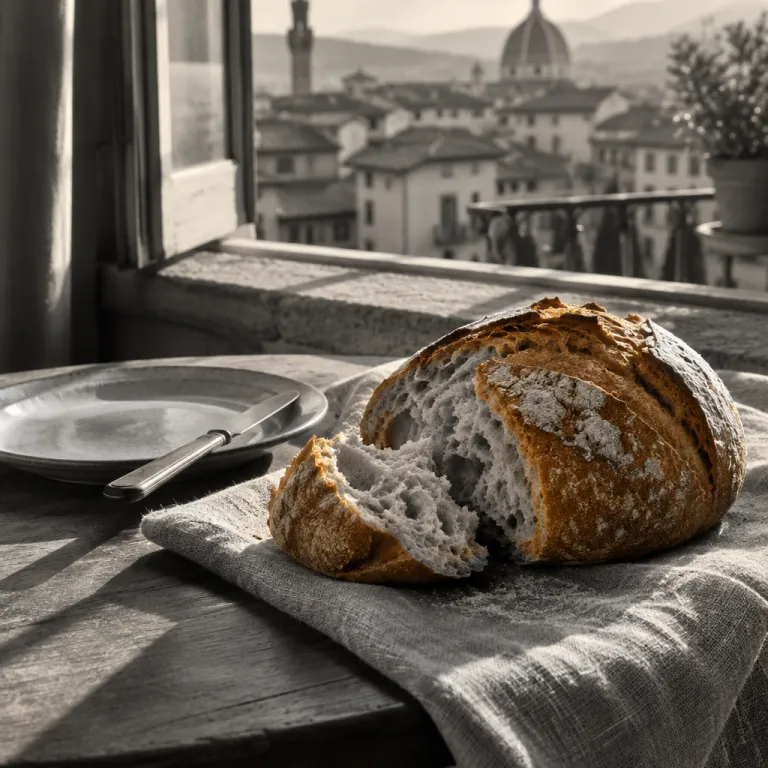
Why pane toscano matters at your Florence hotel breakfast
Florence wakes slowly, and the first aroma is usually bread. In many hotel dining rooms, a traditional pane toscano loaf sits beside local cheeses and prosciutto, quietly defining what a real Tuscan morning should feel like. When you evaluate a hotel breakfast, the presence of this salt free, crusty bread tells you more about culinary standards than any buffet label ever could.
Authentic pane toscano is made from only wheat flour, water and yeast, which means every element of the dough must be handled with care and patience. Florentine bakers speak of the flour water balance almost as a philosophy, because the absence of salt forces the grain’s character and the slow fermentation to take center stage. If your hotel partners with an artisan bakery that still mixes the dough in a simple bowl and proofs it on a baking stone, you are already much closer to the city’s genuine food culture.
Understanding this tradition helps you read between the lines of any toscano bread recipe offered in a hotel cookbook or breakfast card. A serious property will mention long fermentation, minimal instant yeast or active dry yeast, and a high hydration dough that needs several time minutes of gentle folding rather than aggressive kneading. When you see references to preheat oven instructions, a very hot oven floor or even a stone deck, you can be confident that the pane toscano on your plate has not simply been defrosted and reheated in a generic oven.
Inside a traditional tuscan bread recipe: what your hotel should get right
When a hotel chef talks you through their house bread recipe, listen for a few precise details. First comes the flour, ideally a mix of strong wheat flour and standard all purpose flour, which gives pane toscano its open crumb while keeping the crusty exterior pleasantly chewy. If the chef mentions carefully warming the water to create true warm water for the yeast, you know they respect both science and heritage.
Next, the ratio of flour water and the handling of the dough reveal whether this is authentic tuscan bread or a generic white loaf. Traditional recipes use very little instant yeast or active dry yeast, then allow a long rise of several hours rather than rushing the process in thirty minutes. In a professional kitchen, the dough often rests in a large bowl lightly brushed with olive oil, which prevents sticking without compromising the characteristic salt free flavor.
The final stage is baking bread on a very hot surface that mimics a wood fired oven floor. Some hotels invest in a dedicated baking stone or even a full stone deck, while others line heavy trays with parchment paper to help the loaf release cleanly. If the chef explains that they preheat oven settings well in advance and then bake minutes longer than a standard sandwich bread recipe, it usually means they are chasing that deep, crusty bread character that locals expect from pane toscano.
From bakery to buffet: how hotels serve pane toscano
Not every Florence hotel bakes its own bread, but the best ones choose their partners carefully. Many work with long established neighborhood bakeries that still slide each loaf onto a hot stone or baking stone, creating the blistered, crusty surface that stands up beautifully to olive oil and tomatoes. When you see the words pane toscano or tuscan bread printed on the buffet label, ask where it was baked and how many minutes it traveled from oven to table.
Quality focused properties often receive deliveries several times a morning, because crusty bread loses its ideal texture after too many time minutes on a cooling rack. Staff might refresh the buffet by replacing older slices with a newly baked loaf, then offering to toast individual portions to restore the crackling crust. If you notice servers handling the bread with care, slicing only as needed and keeping the cut side covered with parchment paper, it shows respect for both hygiene and texture.
Some hotels go further and present a small toscano bread recipe card beside the breakfast display, inviting guests to recreate the experience at home. These cards usually outline the basic ingredients of flour, water, yeast and no salt, then explain how to allow the dough to rise slowly before you bake minutes in a very hot oven. When a property takes the time to share such recipes, it signals a deeper commitment to Tuscan food culture rather than a superficial nod to regional bread.
How to evaluate a hotel’s signature Florentine breakfast
When comparing Florence hotels, look beyond room photos and examine how they talk about breakfast. A property that highlights its pane toscano, local wheat flour suppliers and collaboration with nearby mills is usually serious about authenticity. Read menus carefully and notice whether they mention a traditional tuscan bread recipe, long fermentation dough and the use of a baking stone or stone deck.
During your stay, pay attention to the sensory details that define excellent baking bread. The crust should be firmly crusty but not rock hard, and the interior crumb should feel moist yet light, with irregular holes that show a well hydrated dough. If the staff can explain how they preheat oven settings, manage bake minutes and control steam to achieve this balance, you are dealing with a team that understands both technique and tradition.
Nutrition conscious travelers may also ask about calories kcal and ingredients, especially if they follow a low salt diet. Because pane toscano is naturally salt free, it pairs well with savory toppings without overwhelming them, and many hotels highlight this aspect for guests monitoring their intake. When a property can provide clear information about wheat flour types, any added olive oil and approximate calories per slice, it reinforces a sense of transparency and trust that extends well beyond a single bread recipe.
Experiencing pane toscano beyond the hotel: tours and tastings
Once you have tasted excellent pane toscano at breakfast, you may want to explore its origins across the Tuscan countryside. Many concierge teams can arrange private excursions to mills and bakeries where you watch bakers mix flour water, knead dough by hand and slide each loaf directly onto a blazing baking stone. For guests planning refined excursions, it is worth asking about curated countryside itineraries that combine bread tastings with vineyard visits and olive oil mills, and you can read more in this guide to refined private Tuscany tours from Florence during your hotel stay.
During these visits, you will often see both traditional and modern approaches to the classic tuscan bread recipe. Some bakers rely on natural starters instead of instant yeast, while others prefer active dry yeast for consistency, yet all respect the long minutes of fermentation that give pane toscano its depth. Watching them score each loaf, slide it onto the oven floor or a thick stone and then bake minutes until the crusty bread sings when tapped is one of the most memorable food experiences near Florence.
Back at your hotel, these excursions can influence how you approach the breakfast buffet the next morning. You may find yourself examining the crumb, asking about the mix of all purpose flour and stronger wheat flour, or even timing how many time minutes pass between the bread leaving the oven and arriving at your table. This kind of informed curiosity often encourages hotels to maintain high standards in every recipe, from their signature pane toscano to the pastries and cakes that share the same ovens.
Recreating your hotel’s toscano bread recipe at home
Many travelers leave Florence wanting to recreate that first slice of warm tuscan bread enjoyed with olive oil and coffee. Hotel chefs sometimes share a simplified toscano bread recipe that works in a domestic kitchen, focusing on a straightforward mix of flour, water and a small amount of yeast. At home, you can use either instant yeast or active dry yeast, but you should always allow the dough enough minutes to rise slowly and develop flavor.
Start by combining warm water and yeast in a bowl, then gradually add wheat flour or all purpose flour until a soft dough forms. Knead briefly, rest the dough, then shape it into a round or oval loaf and place it on parchment paper set over a preheated baking stone or heavy tray. Before you bake minutes in a very hot oven, score the top to guide expansion and encourage that characteristic crusty finish.
Because traditional pane toscano is salt free, many home bakers are surprised by its gentle flavor and low calories kcal compared with richer breads. You can serve it exactly as your Florence hotel did, with extra virgin olive oil, tomatoes and cured meats, or use it in recipes such as ribollita and pappa al pomodoro. If you share your own bread recipe online, remember that any website collecting user data should include a clear privacy policy, just as reputable hotels do when handling guest information for cooking classes and culinary newsletters.
Key figures about pane toscano and hotel breakfasts in Florence
- In Florence, many traditional bakeries bake their pane toscano at oven temperatures around 240–250 °C, which helps create a thick, crusty exterior while keeping the interior moist and tender.
- A typical 50 g slice of salt free tuscan bread made only from wheat flour, water and yeast usually contains around 120–130 calories kcal, making it a relatively light base for toppings compared with enriched breads that include butter or milk.
- Long fermentation doughs used for authentic pane toscano often rise for 8–12 hours, significantly longer than the 60–90 minutes common in industrial bread recipes, and this extended time improves both digestibility and flavor complexity.
- Many Florence hotels that emphasize regional cuisine source their bread from bakeries located within 2–3 km, which reduces transport time minutes and helps ensure that each loaf reaches the breakfast buffet within a few hours of leaving the oven.
- Professional baking stones or stone deck ovens used for tuscan bread can retain heat far more effectively than thin metal trays, and this thermal mass is crucial for achieving consistent results when baking bread in high volume hotel kitchens.
FAQ about pane toscano and Florence hotel breakfasts
What makes pane toscano different from other Italian breads at hotel buffets ?
Pane toscano is traditionally baked without salt, using only flour, water and yeast, which gives it a mild flavor and a firm, crusty exterior. This salt free profile allows hotel chefs to pair it with intensely seasoned toppings such as cured meats, pecorino and olive oil without overwhelming the palate. The long fermentation and hot stone baking also create a distinctive texture that sets it apart from softer table breads.
How can I tell if my hotel serves authentic tuscan bread ?
Authentic tuscan bread should have a thick, crackling crust, an irregular open crumb and a gentle, almost sweet wheat flavor despite containing no salt. You can ask staff whether the bread is made from simple wheat flour, water and a small amount of yeast, and whether it is baked on a stone or in a high temperature deck oven. If the hotel can describe the fermentation time and baking method in detail, it is usually a reliable sign of authenticity.
Is pane toscano a good option for guests watching their salt intake ?
Yes, pane toscano is naturally salt free, which makes it an appealing choice for guests who need to limit sodium without giving up bread entirely. However, the toppings you choose at the buffet, such as cured meats or cheeses, may still contain significant salt, so it is wise to balance them with fresh vegetables and olive oil. Many Florence hotels are happy to provide nutritional information, including approximate calories kcal per slice, if you ask.
Do Florence hotels usually bake their own bread or buy it from bakeries ?
Practices vary, but many mid range and luxury hotels in Florence collaborate with local bakeries that specialize in pane toscano and other regional breads. Some larger properties maintain in house bakeries with professional ovens and baking stones, allowing them to control every stage of the bread recipe from mixing dough to final bake minutes. When booking, you can email the hotel to ask whether their tuscan bread is baked on site or sourced daily from a named artisan bakery.
Can I learn a toscano bread recipe during my stay in Florence ?
Several hotels and cooking schools in Florence offer hands on classes where guests mix dough, shape a loaf and bake their own pane toscano under professional guidance. These sessions usually cover ingredient selection, from choosing between all purpose flour and stronger wheat flour to adjusting warm water and yeast levels for different seasons. If you are interested, ask your hotel concierge to recommend a reputable class that focuses specifically on traditional tuscan bread techniques.
Sources: Accademia Italiana della Cucina ; Slow Food Italia ; Camera di Commercio di Firenze.