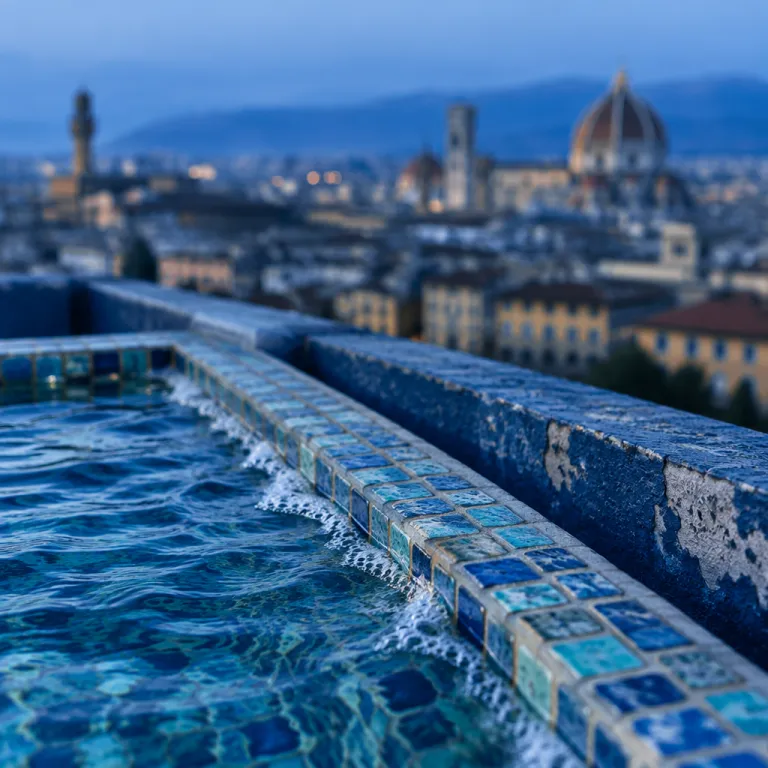
Choosing a hotel in Florence Italy that unlocks the city
Where you book your hotel in Florence shapes your entire stay. In this compact Renaissance city, the right address saves precious time and places many of the best things to do in Florence Italy within an easy walk. Think of your hotel as a private base camp between a morning at the Duomo and an evening gelato by the Arno.
Staying near Piazza della Signoria or close to the Duomo means that highlights such as the Uffizi, Palazzo Vecchio, and the Ponte Vecchio become part of your daily rhythm rather than isolated visits. In these central districts, you can step out of your hotel and reach the cathedral’s Piazza del Duomo, Santa Maria Novella station, or the lively Mercato Centrale in minutes on foot. As a rule of thumb, a truly central hotel will place you within a 5–10 minute walk of at least two major landmarks and within 15 minutes of the Uffizi. When comparing options, look for clear walking-time estimates, elevator access in historic buildings, and proximity to taxi stands or tram stops if you have mobility needs.
Travel a little further south across the Ponte Vecchio and you enter the quieter Oltrarno quarter, where many hotels overlook the river or sit near Palazzo Pitti and the Boboli Gardens. Here, a personalized city tour can start right from your lobby, leading through artisan workshops, hidden piazza corners, and local food tour stops around Sant’Ambrogio or San Niccolò. Typical mid-range hotels in this area often cost slightly less than properties facing Piazza del Duomo, while still keeping you within a 15–20 minute walk of most attractions. Whether you choose the historic heart or the Oltrarno, ask the hotel team how they help guests prioritize the most rewarding things to do in Florence Italy according to season, opening times, and crowd patterns.
Personalized city tours from your hotel door
Florence rewards travelers who slow down and let an expert guide shape their time. Many higher end hotels in Florence Italy now collaborate with licensed guides who design a private tour that starts in the lobby and flows through the city like a narrative. This approach turns a simple visit into a curated experience that links art, food, and daily life.
A tailored walking tour might begin at Piazza della Signoria, continue to the Uffizi museum for a focused look at works commissioned by the Medici family, then cross the Ponte Vecchio toward Palazzo Pitti and the Boboli Gardens. Instead of racing through a checklist of things, you follow a route that matches your interests, whether that means more time with Michelangelo’s sculptures, Brunelleschi’s architecture at the Duomo, or the frescoes in the Basilica Santa Croce. Guides can also weave in short breaks for gelato, coffee, or a quick detour to Sant’Ambrogio market when the light is perfect for photographs.
For many guests, the best things to do in Florence Italy include evening itineraries that avoid the hottest hours and the largest groups. Your concierge can arrange a later Duomo visit, a quiet stroll to Piazzale Michelangelo for sunset, or a night time walk through Santa Maria Novella and Santa Croce when the piazza spaces feel more intimate. When choosing a hotel, check whether they can book small-group or private tours, secure timed museum entries, and suggest routes that balance headline sights with lesser known corners of the city.
Art, architecture, and museums with concierge precision
Securing access to Florence’s major museum collections is one of the most important tasks your hotel concierge can handle. With more than two million annual visitors at the Uffizi alone, timed tickets and carefully planned slots are essential if you value your time. When you book a hotel, ask how their team manages reservations for the Uffizi, the Accademia, and the Duomo complex.
A well connected concierge will not only reserve entry but also sequence your day so that each visit feels calm rather than rushed. They might suggest an early Uffizi tour followed by a gentle walk across Piazza della Signoria to Palazzo Vecchio, then a break at your hotel before climbing the Duomo or its Campanile del Duomo in the late afternoon. This kind of planning respects your energy levels, the city’s rhythms, and the need to enjoy gelato or a quiet piazza without constantly checking the time.
Some hotels now offer digital tools or augmented reality guides that enrich museum visits while keeping the experience flexible. You can explore Brunelleschi’s dome, Michelangelo’s David, or the chapels of Santa Croce with context that deepens your appreciation without overwhelming you with facts. Combined with a concierge who understands both the art history and the logistics of Florence Italy, these tools help transform the usual list of things Florence is famous for into a coherent, memorable story.
Food tours, markets, and gelato experiences arranged by your hotel
For many travelers, the most vivid things to do in Florence Italy revolve around food. A thoughtful concierge can turn a simple meal into a structured food tour that reveals how Florentines actually shop, cook, and eat. This is where markets, neighborhood trattorias, and gelato shops become as important as any museum.
Ask your hotel to arrange a guided visit to Mercato Centrale in San Lorenzo or to the Sant’Ambrogio market on the eastern side of the city. These markets show a different face of Florence, with seasonal produce, cured meats, and cheeses that you can taste while learning about Tuscan food traditions. Many guides combine these stops with a short walk through nearby streets, pointing out bakeries, wine bars, and small restaurants that are genuinely popular with locals rather than only with tour groups.
No stay in Florence Italy feels complete without a considered approach to gelato, and your concierge can help here as well. Instead of choosing the first colorful display near a crowded piazza, ask for a short gelato tour that links two or three artisan addresses across neighborhoods like Santa Maria Novella, Santa Croce, and the Oltrarno. By the end of the evening, you will understand why some Florentines debate the best gelato with the same passion they reserve for art in the Uffizi or architecture at the Duomo.
Designing day trips and panoramic moments with concierge help
While the city itself holds many of the top things to do in Florence Italy, a well planned day trip can add welcome contrast. Your hotel concierge can coordinate private drivers, small group tours, or train schedules so that you spend more time exploring and less time organizing. This is especially valuable if you want to see Tuscan vineyards, hill towns, or nearby cities without navigating everything alone.
Within Florence, some of the best experiences involve simply changing your viewpoint on the city. A concierge might suggest an early morning walk up to Piazzale Michelangelo, when the light over the Duomo, Palazzo Vecchio, and the Ponte Vecchio is soft and the crowds are thin. From this terrace, you can trace the line of the Arno, pick out Santa Maria Novella and Santa Croce, and understand how compact the historic center really is.
For a slower afternoon, consider a stroll through the Boboli Gardens behind Palazzo Pitti, which many hotels in the Oltrarno can reach in less than fifteen minutes. Here, statues, fountains, and shaded paths offer a calm counterpoint to the busy streets around Piazza della Signoria and Piazza del Duomo. Ask your concierge to time this visit so that you exit the gardens just as the city cools, ready for an aperitivo near the river or a gentle walk back across the Ponte Vecchio to your hotel.
Matching neighborhoods, churches, and piazza life to your style
Choosing the right neighborhood in Florence Italy is as important as choosing the right room category. Each area around the historic center offers a different balance of churches, piazza life, and evening atmosphere. Your hotel’s concierge can explain these nuances and help you align them with your travel style.
Near Santa Maria Novella station, hotels suit guests who value quick arrivals and departures, with easy access to trains for every day trip. Around the Duomo and Piazza della Signoria, you are surrounded by headline sights such as the cathedral, Palazzo Vecchio, and the Uffizi, which makes it simple to step out for short visits at different times of day. Closer to Santa Croce and Sant’Ambrogio, the streets feel more residential, with wine bars, artisan shops, and restaurants that stay lively well into the evening.
Whichever area you choose, ask how the hotel team helps guests navigate the city’s churches and piazza spaces beyond the obvious things Florence is known for. They might suggest a quiet hour in the Basilica Santa Croce, a late afternoon pause in Piazza della Repubblica, or a short walk to a lesser known cloister near Santa Maria Novella. Used well, this local knowledge turns your list of things to do in Florence Italy into a layered experience that balances art, daily life, and the simple pleasure of watching time pass in a beautiful square.
Key figures and planning insights for your Florence stay
- Annual visitors to the Uffizi Gallery reached around 2.2 million in 2019 according to data published by the Italian Ministry of Culture, which makes advance reservations through your hotel concierge essential during peak months.
- The dome of the Duomo, designed by Brunelleschi, rises approximately 114.5 meters above Piazza del Duomo according to measurements reported by the Opera di Santa Maria del Fiore, so climbing it requires a reasonable fitness level and careful timing to avoid midday heat.
- Spring and autumn are widely regarded as the best time to visit Florence, because temperatures are milder and crowds are lighter than during the height of summer.
- A stay of three to four days in Florence allows a comprehensive experience of the main museums, churches, and piazza life while still leaving room for at least one relaxed day trip.
FAQ about hotels and things to do in Florence Italy
What is the best time to visit Florence for sightseeing and hotels ?
Spring and fall offer pleasant weather and fewer crowds, which means more comfortable walking tours and better availability at central hotels. During these seasons, your concierge can more easily secure timed entries for the Uffizi, the Duomo complex, and other top things to do in Florence Italy. Prices can still be high around major holidays, so book both hotel and key museum tickets well in advance.
How many days should I plan in Florence if I want personalized tours ?
A 3-4 day trip allows for a comprehensive experience, including at least one private city tour and time to enjoy markets, churches, and evening walks. With three nights, you can dedicate one day to the Uffizi and Palazzo Vecchio area, another to the Duomo and Santa Croce, and a third to Oltrarno sights such as Palazzo Pitti and the Boboli Gardens. Your hotel concierge can then weave in a food tour, a gelato tasting, or a short day trip without overloading your schedule.
Are there free or low cost things to do near central hotels in Florence ?
Yes, many churches and public squares are free to visit, which makes it easy to explore even if you are staying in a prime location. You can spend time in Piazza della Signoria, watch the light change over the Ponte Vecchio, or step into churches such as Santa Maria Novella and Santa Croce during open hours. Your concierge can provide a walking map that links these free sights with viewpoints like Piazzale Michelangelo and lively markets such as Sant’Ambrogio.
How can my hotel concierge help with museum and tour bookings ?
Most quality hotels in Florence Italy maintain direct contacts with licensed guides and ticket offices, which allows them to secure timed entries and arrange private or small group tours. They can coordinate a schedule that combines the Uffizi, the Duomo, and Palazzo Vecchio without long queues or rushed transfers between each museum. This support is especially valuable if you have limited time or want to focus on specific themes such as Renaissance sculpture, Medici history, or food culture.
Is Florence easy to explore on foot from a centrally located hotel ?
The historic center of Florence is compact, and most top things are within a 15 to 20 minute walk from central hotels. From areas around the Duomo, Santa Maria Novella, or Piazza della Signoria, you can reach the Uffizi, the Ponte Vecchio, Santa Croce, and Mercato Centrale without using public transport. This walkable layout makes it simple for your concierge to design personalized routes that match your pace, interests, and preferred times of day.
Expert guidance note
What is the best time to visit Florence? Are there any free attractions in Florence? How many days are ideal for a Florence trip?