Why harvest season changes your Chianti wine tour from Florence
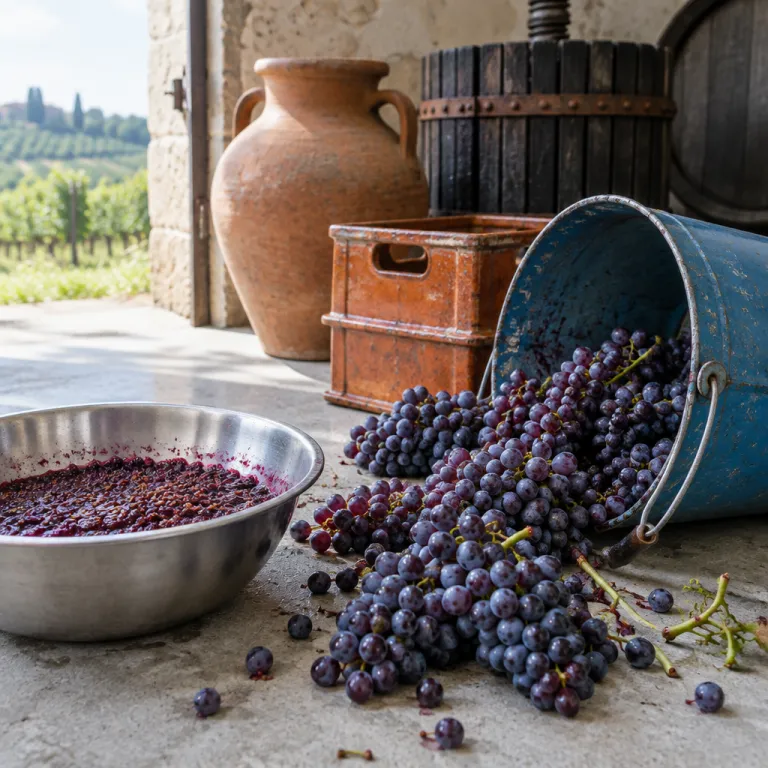
Chianti in late September feels alive in a way summer never manages. A Chianti wine tour from Florence during vendemmia drops you straight into working vineyards, with tractors on the lanes and the air thick with fermenting wine. This is when a wine tour stops being a postcard and becomes a season you can taste.
On a harvest day, a visit to a family winery near Greve or Panzano often starts among the vines, where pickers move fast and the grapes for chianti classico arrive in small crates. Inside the winery, you see open tanks, hear the cap of skins breaking, and understand why tour length and timing matter more now than in the quiet months. Many organic wineries offer semi private or fully private tours during this period, so you can stand over the fermenters without feeling like part of a coach convoy.
For a traveller choosing a hotel in Florence, the question is not whether to go, but how to shape a Chianti wine tour from Florence around your base in the city. Staying near Santa Maria Novella station or in the Oltrarno around Santo Spirito makes an early departure for winery visits painless, while a room near the Duomo means a longer walk to meet your driver. Think of your Florence stay and your wine tours as one itinerary ; the right address in town turns a full day in the vineyards into a gentle extension of your neighbourhood rather than a forced march.
Choosing your Florence base for an early start in Chianti
If you plan a Chianti wine tour from Florence during harvest, start with the map of the city, not the map of the vineyards. Hotels in the Oltrarno, especially between Piazza Santo Spirito and Porta Romana, put you close to the roads that slip south toward the chianti classico hills before the commuter traffic thickens. From here, a private tour can collect you on a quiet side street, and you are among the vines in less than an hour.
Travellers who prefer to join semi private tours or small group wine tours often find it easier to stay near the tram and train lines by Santa Maria Novella. Many operators of wine tastings and winery visits set their meeting points near the station, so your tour length in practice includes that early walk or tram ride from your hotel. If you are comparing prices, remember that what is included is not just lunch and wine tasting, but also the convenience of where you start and finish your day.
Those with mobility needs should look carefully at accessibility wheelchair details when they book, both for their Florence hotel and for any wine tour. Some estates are wheelchair accessible only in the tasting rooms, while the cellars and vineyards remain tricky, so a private tour with a driver who knows which organic wineries have ramps and lifts is worth the premium. For a deeper look at how your base in town shapes the rhythm of a Chianti wine tour from Florence, see this guide on how your Florence hotel choice shapes a Chianti day.
Half day dash or full day linger : picking the right tour length
During vendemmia, time behaves differently in the countryside, and your chosen tour length should respect that. A half day wine tour from Florence can work if you stay near the southern exits of the city and focus on one winery visit with a focused wine tasting, but you will feel the clock ticking as soon as the first glass is poured. A full day in chianti gives you space for two winery visits, a proper tuscan lunch, and the slow conversations that explain why these wines taste the way they do.
Most travellers weighing private tours against semi private tours underestimate how much harvest activity they will want to linger over. In a private tour, you can ask to pause by the sorting tables, taste semi fermented must, and adjust your length hours on the fly if the cellar master offers an extra barrel sample. Semi private tours tend to keep a tighter schedule, but they often include a traditional tuscan lunch where several wines are included, from young chianti to more structured chianti classico riserva.
If you prefer to drive yourself from Florence toward Greve, remember that booking ahead is non negotiable in September and early October. The best organic wineries limit wine tastings to small groups so the team can focus on the harvest, and they will turn away unannounced visitors even if prices are attractive. For help comparing formats and understanding what is really included in different wine tours, this overview on how to choose the best Tuscan wine tours from Florence is a useful starting point.
What actually happens on a harvest day in Chianti
A well planned Chianti wine tour from Florence during vendemmia feels less like an excursion and more like stepping into someone’s working year. At a serious winery, your visit might begin with a walk through rows of sangiovese, canaiolo, and colorino, where you see the difference between organic and conventional farming in the cover crops and the insects that still hum between the vines. Back in the cellar, the air is warm, the tanks are alive, and the first tastings are often of cloudy, semi fermented juice rather than finished wines.
Many estates pair their wine tastings with a tuscan lunch in a farmhouse kitchen or under a loggia, and this is where the region’s other products come into focus. Expect extra virgin olive oil from the estate’s own groves, poured generously over grilled bread, and simple traditional tuscan dishes such as ribollita or pappardelle al ragù that show how the wines behave with real food. When lunch is included, ask in advance which wines will be opened, how many tastings are planned, and whether a vegetarian option is possible, as this affects both prices and the realistic tour length.
Some wineries are fully wheelchair accessible, with lifts to the barrel rooms and smooth paths between the tasting room and the vineyards, while others offer only partial accessibility wheelchair solutions. If this matters to you or your travel companion, insist on clear answers before you book, and lean toward private tours where the schedule can flex around your pace. Between cellar visits, your driver may suggest a short stop in Greve’s main piazza or at a roadside bar for an extra espresso ; these unscripted pauses are often what separate a rushed tour from a day that feels lived rather than consumed.
How your Florence days wrap around your Chianti nights
Back in Florence after a full day among the vines, the city feels different, as if the wines have tuned your senses to stone and light. Staying in the Oltrarno, you can walk from your hotel to a wine bar on Via Santo Spirito and compare the chianti classico you tasted at the winery with other tuscan wines by the glass. In Santa Croce or Sant’Ambrogio, the evening might mean a simple trattoria where the house wine suddenly tells you more than the label ever could.
Planning your museum visits around your Chianti wine tour from Florence also matters more than most travellers realise. If you have a full day tour booked, avoid stacking an Uffizi or Accademia slot early the next morning, and consider pre arranging skip the line access for major sites so your post harvest fatigue does not turn into a queue on the pavement ; this guide to why hotel guests in Florence should prioritise skip the line tickets explains the trade offs clearly. The goal is a rhythm where wine tours, city walks, and slow lunches support each other rather than compete.
When you book, look for operators who are transparent about what is included, from the number of winery visits to whether olive oil tastings are part of the experience. Ask if the wine tasting is seated or standing, how many wines you will try, and whether any extra virgin olive oil or local products are available to sample without pressure to buy. In the end, what you remember is not the number of labels, but the way a glass of chianti on a quiet Florence terrace after dark seems to hold both the city and the hills in one calm, measured sip.
FAQ
When is the best time for a Chianti wine tour from Florence during harvest ?
The most active harvest period in Chianti usually runs from mid September to early October, with some estates starting earlier in hotter, drier seasons. During these weeks, a wine tour from Florence lets you see grapes arriving, tanks fermenting, and cellar teams working at full speed. If you want this energy, aim your visit for weekdays, when winery visits are slightly less crowded than weekends.
Should I choose a half day or full day Chianti tour from Florence ?
A half day wine tour works if you have limited time and stay near the southern edge of Florence, but it usually allows for only one winery visit and a short wine tasting. A full day tour typically includes two winery visits, a tuscan lunch, and more relaxed tastings, which is ideal during harvest when there is more to see. If you care about talking with winemakers and exploring organic wineries in detail, a full day format is usually the better choice.
Are Chianti wineries wheelchair accessible during harvest season ?
Accessibility varies widely between estates, so you should always ask about wheelchair accessible facilities before you book. Some wineries offer full accessibility wheelchair solutions, with ramps, lifts, and accessible restrooms, while others can only host guests in the tasting room and not in the cellars. A private tour often works best for travellers with mobility needs, as the schedule and route can be adapted to the most accessible properties.
How far is Chianti from Florence, and how long does a tour take ?
The closest chianti classico villages, such as Greve, sit roughly 30 kilometres south of Florence, usually about 45 to 60 minutes by car depending on traffic. Most semi private tours and private tours from Florence last between five and nine hours, including driving time, winery visits, and lunch. When comparing offers, check the stated tour length carefully and ask whether any extra stops or tastings are included in the advertised length hours.
What is typically included in Chianti wine tastings and lunches ?
Standard wine tastings usually feature three to five wines, often including a basic chianti, a chianti classico, and sometimes a riserva or an IGT blend. Many estates pair these with small bites such as bread, cheese, and their own extra virgin olive oil, while more elaborate packages include a full traditional tuscan lunch. Always confirm in advance what is included in the price, especially if you have dietary requirements or want to focus on specific styles of wines.