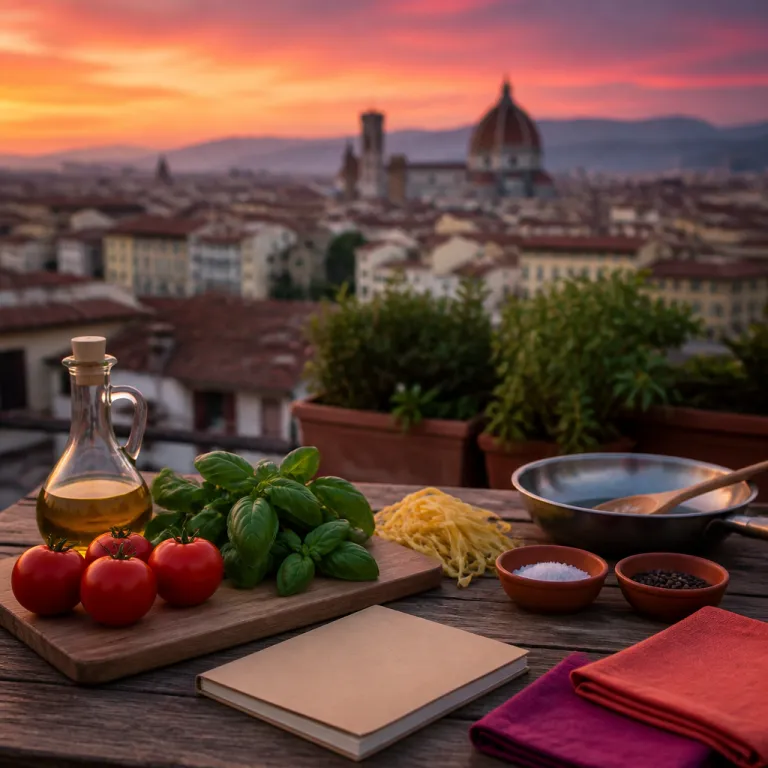
Why florence Italy cooking classes belong in your hotel stay
Staying in Florence without planning at least one cooking class means missing a defining layer of the city. When you weave florence Italy cooking classes into your hotel itinerary, the experience shifts from simple sightseeing to a sensory immersion in Italian cuisine and everyday life. Many travellers now choose a hotel location based on how easily they can reach a trusted culinary school, join a market tour on foot, or walk back after an evening pasta workshop.
Within a compact radius of the Duomo and the Arno, you will find more than one class Florence option, from intimate pasta-making workshops to full-day florence cooking programmes that include wine pairings and dessert sessions. These culinary experiences sit alongside museums and churches as essential cultural activities, especially for guests who care as much about Italian food as they do about Renaissance art. When you read hotel descriptions, look for concierges who regularly book a cooking class, know which chefs are best for your level, and can explain the difference between short tasters and more in-depth courses.
For a short city break, I highly recommend choosing accommodation that allows you to walk to both your favourite trattoria and at least one pasta class. This makes it easy to balance relaxed mornings, an engaging hands-on making class in the afternoon, and a slow evening with wine on a terrace. One recent guest at a central boutique hotel described their day as “breakfast with a Duomo view, a three-hour pasta and tiramisu lesson, then sunset drinks on the rooftop” and called it the highlight of their entire Italy journey, because it connects hotel life, local shops, and the kitchen in one continuous story.
Choosing the right neighbourhood and hotel for cooking experiences
Your choice of neighbourhood in Florence will shape how easily you can reach different cooking classes and food markets. Around the historic centre near the Duomo, schools such as Alfredo Cooking Class and Sichef Florence offer a cooking class Florence programme that fits neatly between museum visits and shopping. Hotels in this area work closely with local chef teams, so reception staff can recommend a great class, explain the menu in advance, or arrange last-minute places when spaces open.
Across the river in the Oltrarno district, you will find a quieter atmosphere and easy access to artisan workshops, wine bars, and several respected cooking school venues. This side of Florence suits guests who want a slower rhythm, with time for pasta making in the morning, a gelato tasting in the afternoon, and a relaxed walk back to their room along the Arno. When comparing hotels, read how they describe nearby food streets, ask whether they partner with any Italian cooking schools, and check if they can organise a market tour with an English-speaking chef who knows the local stalls well.
Some properties just outside the centre, especially toward the Chianti hills, collaborate with schools that combine florence cooking with vineyard visits and wine tastings. These stays are ideal if you want both fresh pasta workshops and countryside views, though you should allow extra travel time from your hotel into town. For guests who prioritise Italian food, I highly recommend confirming that reception can pre-book cooking classes, arrange transfers, and share printed or digital recipes after each session so you can recreate dishes at home.
What to expect from florence Italy cooking classes during your stay
Most florence Italy cooking classes follow a clear rhythm that fits comfortably around a hotel-based itinerary. You typically begin with a short briefing from the chef, move into hands-on cooking, then sit down together to enjoy the food with local wine. According to local tourism data and published school timetables, the average class duration is about three hours, which leaves ample time for sightseeing or a rest back at your room.
In a standard cooking class you might prepare fresh pasta, a seasonal sauce, and a classic dessert such as tiramisu or gelato, guided step by step by an Italian chef. Many schools, including Florence Culinary Arts School and Gigliocooking, offer both one-day classes and longer programmes, so you can choose between a single fun session or a deeper making class series. If you enjoy variety, look for cooking classes that combine several types of pasta with a short pizza and gelato segment, giving you a broader view of Italian cuisine in one experience.
Hands-on florence cooking sessions usually limit group size, which means you receive personal feedback on your pasta cooking technique and knife skills. Hotels with strong culinary connections often secure places in the best classes Florence offers, even during busy periods, so it pays to ask your concierge early. Before you book, read the class description carefully to confirm whether wine is included, whether recipes are provided in English, and whether the level suits complete beginners, confident home cooks, or families with children.
Signature dishes: from fresh pasta to tiramisu and gelato
For many hotel guests, the highlight of florence Italy cooking classes is the first time they roll fresh pasta dough under expert hands. A good pasta class will teach you how to work with eggs and flour, shape different types of pasta, and match each form with the right sauce. When you return to your room later, you will understand Italian food on a deeper level than any restaurant meal alone can offer, because you have seen every stage from raw ingredients to plated dish.
Beyond pasta making, most cooking classes include at least one dessert, often a classic tiramisu or a seasonal gelato that reflects local ingredients. Some schools design a dedicated pasta tiramisu making class, where you prepare both courses from scratch and then enjoy them with Tuscan wine at a shared table. Guests who love sweets should look for a pizza and gelato combination class Florence programme, which pairs savoury dough techniques with the basics of frozen Italian desserts.
During these sessions, chefs explain why certain recipes have endured in Italy and how regional differences shape everyday cooking. You will learn how to adapt traditional Italian cooking methods to your own kitchen, even if your hotel room only has a small kitchenette. I highly recommend choosing at least one florence cooking workshop that focuses on sauces and pasta cooking timing, because these skills transform simple ingredients into restaurant-quality dishes.
Trusted schools and how hotels can help you book
Florence hosts around twenty recognised cooking school venues, many of which maintain close relationships with central hotels. Names such as Sichef Florence, Alfredo Cooking Class, Gigliocooking, Mama Florence, and Florence Culinary Arts School appear frequently on concierge recommendation lists and local tourism board materials. According to recent Florence visitor activity reports and school directories, these providers represent the core of the city’s structured culinary tourism offer, with programmes tailored to hotel guests.
Mama Florence is especially well known among returning guests for its small group classes Florence programme, which ranges from pasta making to regional Italian food menus with wine pairings. Several hotels in the Oltrarno and Santo Spirito areas highly recommend this school because guests consistently rate the experience as both fun and educational. If you prefer a more intensive making class, Gigliocooking offers structured Italian cooking courses that go beyond a single afternoon, which suits travellers staying in Florence for a week or longer.
Before you arrive, ask your hotel to read you the latest schedules from their partner schools and to explain which cooking classes match your interests. Some properties even organise private florence cooking sessions in nearby professional kitchens, ideal for families or small groups who want a personalised pasta class. Whatever you choose, confirm that you will receive printed or digital recipes, because these notes become a lasting souvenir of your time in Italy and a practical guide when you cook at home.
Practical planning tips for hotel guests joining cooking classes
Planning florence Italy cooking classes alongside museum visits and day trips requires a little structure. Start by deciding whether you prefer a morning cooking class followed by an afternoon rest at your hotel, or an evening session that leads straight into dinner. Once you know your rhythm, you can choose between shorter classes Florence options and longer market tour experiences that include walking, shopping, and time for photos.
Most schools advise booking at least a few weeks ahead, especially if you want a specific pasta making or pasta tiramisu workshop on a weekend. Prices for a typical cooking class in Florence range from about €120 to €350 per person, depending on the length, the number of dishes, and whether wine pairings or a market tour are included, as shown on current school price lists and recent brochure data. When you read confirmation emails, check the exact meeting point, ask whether the chef can accommodate dietary needs, and verify how long it will take to walk or taxi from your hotel.
Comfortable shoes are essential because many florence cooking programmes begin with a visit to a local market before you start cooking. Bring a small notebook if you like to write down Italian food tips, and consider leaving valuables in your room safe so you can focus fully on the fun. I highly recommend telling your hotel in advance that you will attend one or more cooking classes, because staff can arrange transport, suggest nearby wine bars, and even store any food you bring back.
Key figures to know before booking florence Italy cooking classes
- Florence currently hosts around 20 established cooking school providers, giving hotel guests a wide choice of styles, from casual pasta class sessions to intensive Italian cooking programmes (source: local tourism board statistics and school directories, including ENIT culinary tourism summaries).
- The average duration of a standard cooking class is about 3 hours, which fits comfortably between morning sightseeing and an evening aperitivo near your hotel (source: aggregated cooking school schedules and sample itineraries published by major providers).
- Typical prices for florence cooking experiences range between €120 and €350 per person, with higher rates reflecting smaller groups, extended menus, and added wine tastings (source: published school price lists and recent brochure data from leading Florence cooking schools).
- Hands-on florence Italy cooking classes operate year round, but demand peaks in spring and autumn, so hotel guests should reserve at least several weeks in advance for the best time slots (source: booking calendars from major schools and Florence tourism reports on seasonal activity trends).
FAQ: florence Italy cooking classes for hotel guests
What is the cost of a cooking class in Florence?
What is the cost of a cooking class in Florence? Prices range from €120 to €350, depending on the class length, menu, and group size. Hotel concierges can often help you compare options and find good value based on current offers and seasonal promotions.
Do I need prior cooking experience to join a class?
Do I need prior cooking experience? No, classes cater to all skill levels, from complete beginners to confident home cooks. When you book through your hotel, mention your level so staff can recommend the best fit and avoid sessions that are too advanced.
Are florence Italy cooking classes available in English?
Are classes available in English? Yes, most classes are conducted in English, especially those popular with international hotel guests. If language is a concern, ask reception to confirm the teaching language with the cooking school before you pay.
Should I book my cooking class before or after reserving my hotel?
It is wise to book your hotel and cooking class around the same time, especially in busy seasons. Once your dates are fixed, your hotel can coordinate with a preferred cooking school to secure a place that fits your sightseeing schedule. This approach reduces stress and ensures you do not miss the experiences you most want.
Can cooking schools accommodate dietary restrictions or allergies?
Most reputable schools in Florence can adapt recipes for common dietary needs if informed in advance. When you reserve, clearly list allergies or preferences, and remind both your hotel and the chef on the day of the class. This allows you to enjoy Italian cuisine safely while still learning authentic techniques.
Trustful expert sources
Local tourism board of Florence (official visitor statistics and activity reports) ; Official websites of Sichef Florence, Alfredo Cooking Class, Gigliocooking, Mama Florence, and Florence Culinary Arts School (class schedules and price lists) ; Italian National Tourist Board (ENIT) publications on culinary tourism in Italy.