How what to eat in Florence, Italy shapes your hotel choice
When you plan what to eat in Florence, Italy, your hotel location quietly becomes a culinary decision. Choosing a stay near the right piazza or mercato can mean walking to the best restaurants Florence offers instead of relying on taxis. For travellers who care about food and wine, the neighbourhood around their room often matters more than the size of the lobby.
Look at a city map before you book and note each address near major markets such as Mercato Centrale and Sant’Ambrogio Market. Staying within a ten minute walk, roughly 700 to 900 metres, of these areas lets you eat Florence like a local, from early morning espresso to late night gelato stops. Hotels around San Lorenzo, Santo Spirito, and the streets leading to Ponte Vecchio give you dense clusters of Florence restaurants and wine bars in every direction.
Florence’s best food districts also help you balance sightseeing with meals, which is crucial on short trips. Around Piazza della Signoria, for example, you can visit museums, then slip into a quiet trattoria for a plate of Tuscan pasta without crossing the river. When you compare properties, do not just check the address but also ask the reception to reply with their favourite nearby restaurant and street food spots, ideally with walking times in minutes.
Classic Florentine dishes every hotel guest should try
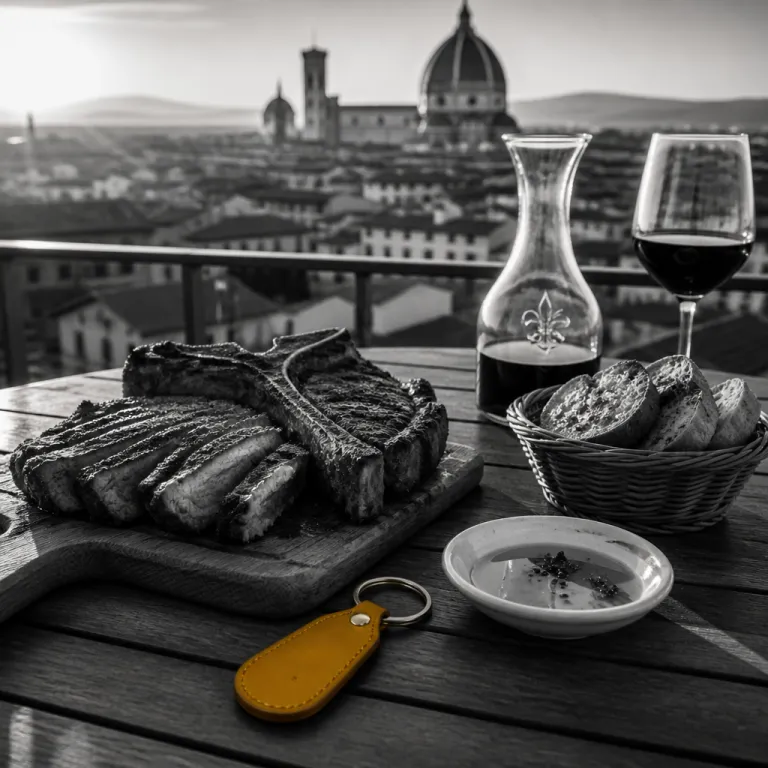
Any serious list of what to eat in Florence, Italy must start with bistecca alla Fiorentina. This thick T bone steak, often simply called la bistecca by locals, is grilled over wood or charcoal and served rare, so plan one dinner around it. Many visitors remember their first bistecca as the most generous, rustic meal of the trip.
When you book a hotel, ask which nearby restaurant specialises in bistecca alla Fiorentina and whether you should reserve. Many Florence restaurants serving this Tuscan classic are small, and the best places often turn away walk ins by 20.00. If your location is near Santo Spirito or Sant’Ambrogio, you will find several traditional restaurants side by side, each with a handwritten menu featuring grilled meats and seasonal vegetables.
Not every guest wants steak, and Florence’s best options for lighter meals are equally satisfying. Ribollita and pappa al pomodoro, both thick vegetable and bread soups, appear on almost every good menu and cost far less than a large steak. One evening near San Lorenzo, for example, a small osteria owner at Trattoria da Mario on Via Rosina insisted a guest try his ribollita “like my nonna made it” instead of another meat course, and it became the favourite dish of the stay.
Markets, street food, and where to eat between museum visits
For travellers who want to understand what to eat in Florence, Italy beyond restaurant dining rooms, the markets are essential. Mercato Centrale in the San Lorenzo district and the Sant’Ambrogio market in the eastern part of the centre show how locals actually shop. If you are wondering where to find authentic Florentine street food, these markets and nearby vendors are your best starting points.
Inside Mercato Centrale Florence, the ground floor hosts butchers, cheesemongers, and vegetable stalls, while the upper level offers a modern food hall. Here you can try lampredotto sandwiches, fresh pasta, and Tuscan desserts at shared tables, which suits solo travellers staying in nearby hotels. Around San Lorenzo, many small food and wine bars cluster in side streets such as Via Panicale and Via dell’Ariento, so you can step out from your room and quickly find a good place for a simple plate and a glass of Chianti.
On the eastern side of the historic centre, the Sant’Ambrogio area feels more local and less polished. If your hotel address is near Piazza Sant’Ambrogio or along Via dei Macci, you can walk to the market in minutes and sample street food like schiacciata bread filled with cured meats. This location also puts you close to several restaurants Florence residents favour, such as Cibrèo Caffè and Trattoria da Rocco, where the menu changes daily according to what arrives from Tuscan farms.
Gelato, coffee, and sweet pauses near your hotel
Planning what to eat in Florence, Italy is not only about long dinners, because the city excels at quick, sweet pauses. Gelato shops appear on almost every corner, but quality varies widely between tourist traps and serious artisans. When you choose where to stay, note at least one highly rated gelateria within a five minute walk of your hotel address.
Areas around Piazza della Signoria, Ponte Vecchio, and Santo Spirito all host excellent gelato and coffee bars, though prices near the main monuments are higher. Look for gelato with muted colours and metal tubs, and avoid towering, brightly coloured mounds that signal artificial flavours rather than good ingredients. If you stay slightly away from the busiest squares, you will often find better gelato at lower prices, especially in streets leading toward Sant’Ambrogio or San Lorenzo.
For coffee, Ditta Artigianale has several locations in Florence, and booking a hotel near one of their cafés can be a quiet advantage. Their branches combine speciality coffee with light food, making them ideal for a first breakfast or a late afternoon break. When you search for a place to stay, check the map for the nearest Ditta Artigianale location and imagine your daily walk there, perhaps stopping at a nearby gelateria such as Gelateria dei Neri on Via dei Neri or La Carraia on Piazza Nazario Sauro on the way back.
Pairing Tuscan food and wine with your Florence itinerary
Understanding what to eat in Florence, Italy also means thinking about what to drink with each meal. Tuscan wine appears on almost every menu, from simple house reds to structured Chianti Classico bottles, and pairing them well can elevate even modest dishes. Many Florence restaurants offer a short list of local labels, so do not hesitate to ask staff for a food and wine suggestion that suits your taste.
If you stay near Piazza della Signoria or along streets such as Via dei Calzaiuoli and Via dei Neri, you will notice numerous enotecas, or wine bars, tucked between shops. These are excellent places to try flights of Tuscan wines with small plates of cheese, cured meats, and crostini, especially if you prefer grazing to a full restaurant meal. Guests in hotels around Santo Spirito often find that the square fills with locals in the evening, moving between casual bars that serve both glasses of wine and simple food.
Travellers who choose accommodation near Ponte Vecchio or the Oltrarno side of the river can easily visit traditional wine doors and contemporary bars in a single stroll. This location lets you sample both historic cellars and modern natural wine spots without worrying about transport after dark. When you ask the front desk for recommendations, request that they reply with at least one place where locals go for a relaxed glass rather than only listing formal restaurants Florence is famous for.
Practical tips: using food to refine your Florence hotel search
Once you know what to eat in Florence, Italy, you can use that knowledge to refine your hotel shortlist. Start by deciding whether you want to be closest to Mercato Centrale, Sant’Ambrogio, or the streets around Piazza della Signoria, then filter properties by that location. Being able to walk from your room to a favourite restaurant or street food stall will matter more each evening than an extra square metre of space.
Check each hotel’s address carefully and compare it with a map of Florence food districts, noting distances in metres rather than vague descriptions. An address piazza near San Lorenzo, for example, places you steps from Mercato Centrale market halls and many casual Florence restaurants that open from breakfast through late evening. A stay closer to Santo Spirito or the Oltrarno side gives you quieter streets at night but still keeps you near excellent trattorie and wine bars locals trust.
Finally, read recent guest reviews and see how often people mention food, wine, and nearby places to eat in Florence. When you contact the property, ask them to reply with three specific restaurant names, one gelato shop, and one street food stall they personally recommend. Hotels that answer with concrete suggestions rather than generic comments usually have stronger relationships with local food vendors and Florentine chefs, which benefits your stay.
Key figures for eating well during a Florence stay
- Travellers can expect to encounter a core group of traditional Florentine and Tuscan dishes repeatedly on menus, which helps you plan how many dinners you need to sample the essentials.
- The average meal cost in central Florence restaurants is often around 25 EUR per person for a simple two course dinner without premium wine, based on recent menu checks at trattorie near Mercato Centrale and Piazza della Signoria, so a couple should budget roughly 50 EUR for a typical evening meal.
- Breakfast, lunch, and dinner service run throughout the day in most central districts, meaning guests in well located hotels can find food options from early morning until late evening without using taxis.
FAQ: what to eat in Florence, Italy when you stay in the city
What are the must try dishes in Florence near most hotels?
Near almost any central hotel in Florence, you should look for bistecca alla Fiorentina, ribollita, pappa al pomodoro, and fresh Tuscan pasta dishes. These appear on most menus in restaurants locals frequent, especially around San Lorenzo, Sant’Ambrogio, and Santo Spirito. Many places also serve lampredotto sandwiches as classic street food for lunch.
Where should I go for authentic street food close to major sights?
For authentic street food near central hotels, Mercato Centrale and the Sant’Ambrogio market are the strongest options. Around Mercato Centrale Florence, stalls sell lampredotto, porchetta, and fried snacks within a short walk of many San Lorenzo hotels. In the Sant’Ambrogio area, you will find more local vendors and fewer tourists, which often means better value.
Is it easy to find vegetarian food in Florence restaurants?
Vegetarian guests will find good options in most Florence restaurants, especially those that focus on Tuscan home cooking. Dishes like ribollita, pappa al pomodoro, grilled vegetables, and salads appear frequently on the menu, and many pasta sauces are vegetable based. Markets such as Mercato Centrale also offer vegetarian street food and salad bars for quick meals.
How much should I budget per day for food and wine in Florence?
If you plan a mix of restaurant meals, street food, and gelato, a realistic daily budget is around 40 to 60 EUR per person. This allows for a simple breakfast, a light lunch at a market or café, and a sit down dinner with a glass of Tuscan wine. Choosing a hotel near markets and local restaurants can help you control costs by giving you more flexible options.
Which neighbourhoods are best for food lovers booking a hotel?
Food focused travellers should prioritise hotels in San Lorenzo near Mercato Centrale, around Sant’Ambrogio Market, or in the Santo Spirito and Oltrarno area. These locations combine strong restaurant choices, quality gelato, and easy access to both street food and wine bars. Staying near Piazza della Signoria also works well if you want to balance major sights with quick access to Florence restaurants.
Sources
Regional tourism and hospitality reports for Tuscany; aggregated price data from local restaurant menus and hotel guest feedback collected in 2023–2024; sample checks of posted prices at Mercato Centrale and Sant’Ambrogio Market food stalls.