Choosing the right hotel area for a seamless Duomo climb
Location shapes your entire experience of climbing Florence’s Duomo. For travellers focused on the Florence Cathedral and the wider Duomo complex, staying within a 10 to 15 minute walk of Piazza del Duomo keeps logistics effortless. This central position lets you adjust your climb time to weather, crowds, and your own energy levels.
Look for hotels between the Arno River and the Florence Duomo rather than directly on the square, because streets immediately around the cathedral can be noisy late into the night. A room on a quieter side street still keeps you close to the dome, the bell tower, and the Duomo museum while protecting your sleep before an early dome climb. When you compare options, ask specifically how long it takes on foot from reception to the main entrance of the Florence Duomo during a busy day.
Travellers who want a calmer base might prefer Santa Croce or the Oltrarno district, which are about 15 to 20 minutes on foot from the Florence Cathedral. From there you can still reach the tower climb and the Brunelleschi dome early, but you return to quieter streets after dark, which many guests appreciate on longer stays. If you plan several visits inside cathedral spaces, including the crypt of Santa Reparata and the bell tower, this balance between proximity and tranquillity becomes especially valuable.
Planning your climb around opening hours, passes, and tickets
Useful advice for climbing Florence Duomo always starts with understanding opening hours and passes. The dome climb usually opens in the morning and closes in the early evening, but the last climb time is earlier than the final closing, so you must check the current schedule on the official Opera del Duomo pages before booking your hotel and trains. Because there is no elevator and the climb includes 463 steps to the top dome, you should align your preferred slot with when you feel physically strongest.
The Brunelleschi Pass is the most complete option for guests who want to experience the entire Duomo complex over one or two days. This pass typically includes the Brunelleschi dome climb, the Giotto bell tower climb, the Duomo museum, the Opera del Duomo spaces, and the archaeological area of Santa Reparata beneath the cathedral floor. When you evaluate pass costs, compare how many separate tickets you would otherwise buy for the dome, the bell tower, the crypt, and the museum, because a combined pass often offers better value.
Hotel concierges near the Florence Duomo are used to helping guests secure timed tickets for the dome and the bell tower. Ask them to explain the difference between a Giotto Pass focused on the tower climb and a broader Opera del Duomo pass that includes more museum access, then choose according to your interests. Always print or download your tickets before leaving the hotel, because mobile signal around the cathedral can be unreliable at busy times of day, and remember that opening hours and ticket types can change seasonally according to the official Opera del Duomo information.
Timing your day: beating crowds and heat for the best views
For most travellers, the most effective strategies for climbing Florence Duomo revolve around timing. Early morning climbs, especially the first or second time slot of the day, offer cooler temperatures and fewer people on the narrow staircases inside the dome. If you are staying very close to the Florence Cathedral, you can leave your hotel shortly before your slot and still arrive relaxed.
Midday in Florence can be hot, and the stone passages inside cathedral walls hold the warmth, so consider scheduling the dome climb either before 10:00 or after 16:00. This timing also affects your experience at the top, where the view over the city’s terracotta roofs and the Arno River is clearest when the sun is not directly overhead. Many guests choose to climb dome sections in the morning, then visit the Duomo museum and the crypt of Santa Reparata during the hotter part of the day.
Sunset climbs are popular because the light over Florence from the top dome is spectacular, but these slots sell out quickly and require very precise arrival time. If you book a sunset dome climb, avoid planning a long dinner or museum visit immediately before, and ask your hotel to arrange a wake up call or reminder. Remember that the bell tower and the Brunelleschi dome have separate queues, so you should not schedule a tower climb too close to your dome reservation.
Understanding the Duomo complex: what is inside and how to pace it
Many visitors underestimate how much there is to see within the Duomo complex. Beyond the Florence Duomo itself, your Brunelleschi Pass or Opera del Duomo pass usually grants access to the bell tower, the Duomo museum, the crypt of Santa Reparata, and sometimes additional Opera del Duomo spaces. To make the most of your stay, you should spread these visits across one or two days rather than rushing everything around a single dome climb.
Inside cathedral areas, you can admire frescoes by Giorgio Vasari and look up toward the Brunelleschi dome before you ever start the climb. The archaeological zone of Santa Reparata beneath the nave reveals earlier layers of worship on the site, and this crypt is often quieter than the main floor. After exploring inside, step back outside to orient yourself between the bell tower, the baptistery, and the entrance to the dome climb so you understand how the structures relate.
The Duomo museum, officially the Museo dell’Opera del Duomo, holds original sculptures and models that explain how Filippo Brunelleschi designed the dome without traditional scaffolding. Visiting this museum before or after your dome climb experience deepens your appreciation of the engineering behind every step you take inside the double shell of the Brunelleschi dome. Because opening hours for the museum and the tower can differ from those of the cathedral, ask your hotel to print a current schedule from the Opera del Duomo so you can plan each day efficiently.
Practical comfort: what to wear, what to carry, and how to prepare
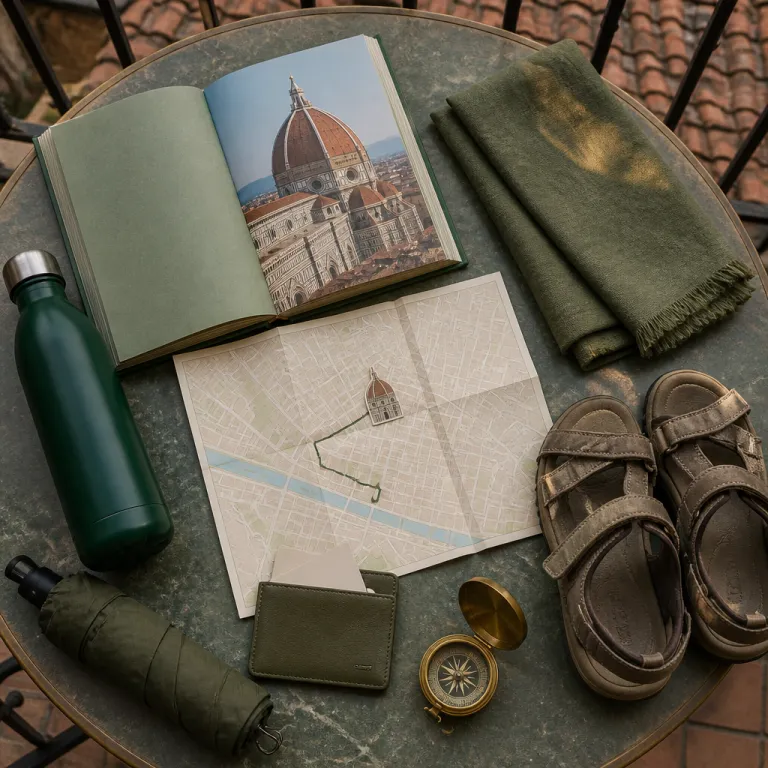
Comfort is central to any serious set of tips for climbing Florence Duomo. There is no lift for the dome climb or the tower climb, so you must be ready for 463 steps in relatively tight staircases that curve inside the dome structure. Light clothing in summer, a small bottle of water, and closed shoes with good grip make a noticeable difference to your comfort level.
Because the Florence Cathedral is an active place of worship, dress codes apply even if you are mainly interested in the climb and the view from the top. Shoulders and knees should be covered inside cathedral spaces, and some hotels near the Florence Duomo keep light scarves at reception for guests who forget. Bags are sometimes checked before you enter, so leave large backpacks in your room and carry only what you need for the day.
Photography is allowed without flash, and many travellers want to capture the frescoes inside the dome and the panorama from the top dome. However, the staircases are narrow, so keep your camera or phone secured and avoid stopping abruptly during the climbing sections. If you are travelling with children or anyone with reduced mobility, remember the official guidance from the site managers: “Is the climb suitable for children? Yes, but consider the physical challenge,” and be realistic about the effort required.
Maximising value: passes, free moments, and hotel support
Thoughtful budgeting is another pillar of effective planning for a Florence Duomo climb. When you analyse pass costs, compare the Brunelleschi Pass with any Giotto Pass or other Opera del Duomo options, and calculate how many separate tickets you would otherwise purchase for the dome, the bell tower, the crypt, and the Duomo museum. For many guests staying two or three nights near the Florence Duomo, a comprehensive pass spreads the cost across several rich experiences.
Some elements of the Duomo complex are free at certain times, such as brief moments of prayer inside cathedral spaces, but these do not include the dome climb or the tower climb. Ask your hotel concierge to clarify which areas require tickets and which are free, so you can reserve paid time slots for the Brunelleschi dome and the Giotto bell tower while using quieter periods for reflection on the main floor. This strategy helps you balance budget, spirituality, and sightseeing during a single stay.
Hotels that work regularly with official ticket vendors and local guides can often secure last minute tickets when online systems appear full. They also know the most reliable meeting points near the bell tower and the entrance to the dome, which reduces stress on the day of your climb. If you have any medical concerns, ask reception to call ahead and confirm whether the crypt, the museum, or other Opera del Duomo spaces offer easier access than the demanding dome climb.
Key figures to know before you climb
- The dome of the Florence Cathedral rises to about 114.5 metres in height, which means the view from the top dome extends across the entire historic centre and out toward the Tuscan hills (data from the official cathedral administration and Opera del Duomo information).
- The dome climb involves 463 steps with no elevator, so guests should allow enough time and physical energy, especially if they also plan a tower climb on the same day (figure confirmed by the official Duomo website and ticketing pages).
- Typical daily opening hours for the dome run from early morning to early evening, with the last climb time roughly 45 minutes before closing, so hotel guests should plan their meals and museum visits around this window (based on the published schedule of the Opera del Duomo, which can vary by season and public holiday).
- Visitor numbers to the Duomo complex have increased compared with the immediate post pandemic period, which makes advance tickets and careful choice of climb time more important than in previous seasons (trend reported by the cathedral authorities and Opera del Duomo updates).
FAQ about climbing Florence’s Duomo during your stay
Is the climb suitable for children staying in central Florence hotels?
The official guidance states: “Is the climb suitable for children? Yes, but consider the physical challenge.” Families booking hotels near the Florence Duomo should remember that the dome climb includes 463 steps, some of them steep and narrow. Plan extra time, bring water, and avoid the hottest part of the day if you are climbing with younger guests.
Are there restrooms available during the dome climb or tower climb?
There are no restrooms on the stairs inside the dome or the bell tower, so you must use facilities at ground level before starting. The official notes explain: “Are there restrooms available during the climb? No, restrooms are only at ground level.” Many travellers use the restroom at their hotel just before walking to the cathedral to avoid queues.
Can I take photos inside the dome and at the top?
Photography is allowed without flash inside cathedral spaces and during the dome climb, including at the internal gallery where you stand close to the frescoes. The official note says: “Can I take photos inside the dome? Yes, photography is allowed without flash.” Be considerate of other visitors on the stairs and avoid blocking the narrow passages while taking pictures.
How much time should I allow for the full Duomo complex?
Most hotel guests should reserve at least half a day to experience the Brunelleschi dome climb, the bell tower, the Duomo museum, and the crypt of Santa Reparata. If you prefer a slower pace, spread the Duomo complex over two days, visiting the museum and crypt on one day and the dome and tower on another. This approach fits well with a relaxed city break in Florence.
Do I need a guide, or can I climb independently?
You can climb dome and tower sections independently with standard tickets or a Brunelleschi Pass, reading the information panels provided by the Opera del Duomo. However, some travellers staying in higher end hotels choose guided tours arranged through local partners, which add context about Filippo Brunelleschi, Giorgio Vasari, and the history of the Florence Cathedral. Whether you choose a guide or not, booking timed tickets in advance remains essential during busy months.