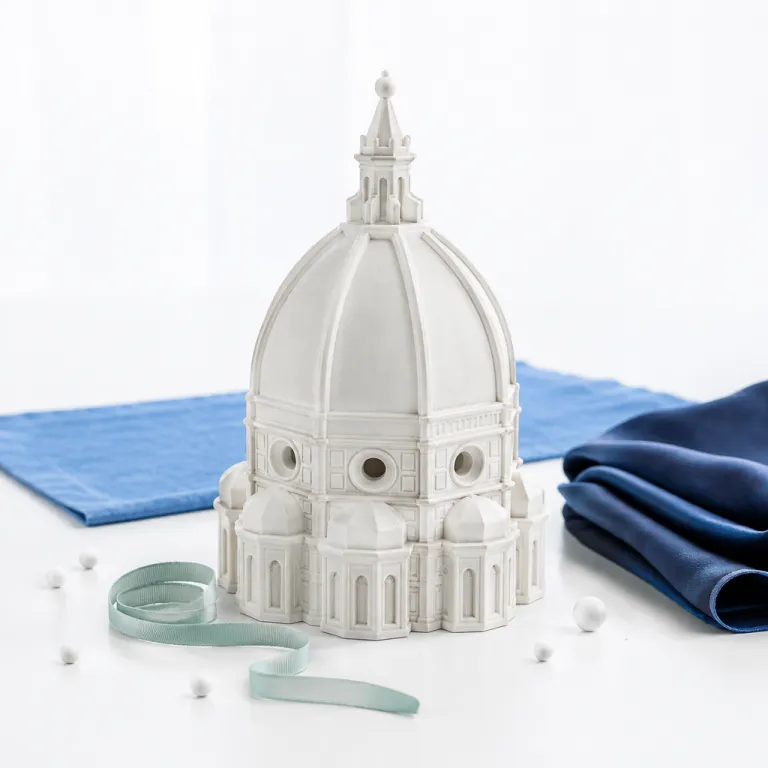
Why this Florence Italy travel guide focuses on stays near the Duomo
Florence is a compact city where where you stay shapes every day. Choosing a hotel around the Duomo and the historic center will define how easily you move between art, food, and the riverfront. In this Florence Italy travel guide, the focus is on helping you stay Florence in a way that turns every short walk into a curated tour.
The Florence Tourism Board describes the city as a major destination, and this guide takes that reality seriously. Official statistics from the Comune di Firenze indicate that several million visitors enter Florence Italy each year, so staying close to the Duomo and the city center is often the best way to reclaim your time and avoid long commutes. When you visit Florence for the first time, being able to step out of your hotel and immediately see Brunelleschi’s dome changes how you experience the city.
For travelers who value art and architecture, the Duomo area is unrivalled in Italy Florence. You are within minutes of the Uffizi Gallery, the Ponte Vecchio, and the great churches of Santa Maria Novella and Santa Croce, which means each day trip inside the city becomes effortless. This central position also makes day trips by train or coach into wider Tuscany, including a day trip to San Gimignano, far simpler because the main transport hubs sit just beyond the historic center.
Official actors such as the Florence Tourism Board and local tour guides now support visitors through online articles, printed brochures, and a mobile app. Their methods include interactive maps, virtual tours, and booking platforms that help you compare each hotel in the city center by distance to the Duomo and to key piazza areas. When you read full descriptions on these platforms, pay attention to whether the property is truly in the historic center or just near it, because that difference will affect how much time you spend walking each day.
The context for this Florence Italy travel guide is clear: Florence is a walkable city whose heart is best explored on foot. The official guidance confirms that the historic center is compact, so staying near the Duomo means you can reach most major sites within ten to fifteen minutes. This proximity is especially valuable if you plan to visit Florence during peak seasons, when queues for the Uffizi Gallery, the Duomo, and the Accademia can stretch across each piazza.
Choosing the best hotel around the Duomo and the historic center
When you choose a hotel near the Duomo, you are buying time as much as space. Average hotel prices in Florence Italy often hover around 150 EUR per night according to recent tourism surveys, so this Florence Italy travel guide encourages you to think in terms of value per hour of convenience. The best stays in the city center place you within a short walk of the cathedral, the Uffizi Gallery, and the river Arno, reducing the need for taxis or buses each day.
Look first at distance to the Duomo and to Piazza della Signoria, then at walking time to Santa Maria Novella station. A hotel that sits between the cathedral and the station allows you to arrive by train, drop your bags, and start visiting Florence on foot within minutes, which is ideal if you only have one full day. When you stay Florence in this central triangle, every tour you book, from guided art walks to food wine tastings, will either start nearby or offer an easy meeting point in a familiar piazza.
Room size in the historic center is often modest, because many buildings are Renaissance palazzi adapted for modern travel. Prioritise soundproofing and air conditioning over unnecessary décor, especially if your hotel faces a busy piazza or a lively street near Santo Spirito. You will likely spend most of your time outside, so a comfortable bed, reliable Wi‑Fi, and a quiet night matter more than an oversized room in Italy Florence.
Ask whether your chosen hotel offers timed ticket assistance for the Duomo complex and the Uffizi Gallery. Some properties collaborate with local tour guides to secure early entry slots, which can transform your day by placing you in front of Michelangelo’s works before the crowds arrive. If you plan a day trip into Tuscany, such as to San Gimignano or the Chianti wine hills, confirm that reception can arrange early breakfast or a takeaway option so you do not lose time in the morning.
Safety and practicality also shape the best choices in this Florence Italy travel guide. The Florence Tourism Board advises visitors to be aware of pickpockets in crowded areas, especially around the Duomo, Santa Maria Novella, and popular piazza spaces. Select a hotel with a staffed reception, secure luggage storage, and clear access routes back from the city center at night, so that every visit Florence evening ends with a short, well lit walk home.
Understanding Florence’s core districts: Duomo, Santa Maria Novella, Santa Croce, Santo Spirito
The historic center of Florence is a mosaic of distinct quarters, each with its own rhythm. This Florence Italy travel guide focuses on four areas that work especially well for someone planning to stay Florence near the Duomo and the main monuments. Choosing between them depends on how you balance art, nightlife, quiet streets, and access to day trips across Tuscany.
The Duomo and surrounding streets form the symbolic heart of the city, dominated by Santa Maria del Fiore and its vast piazza. Staying here places you seconds from the cathedral, the Baptistery, and Giotto’s bell tower, which means you can climb early in the day before queues form and the sun heats the stone. Hotels in this zone are ideal if your time in Florence Italy is short and you want every day to start and end with a direct view of the Duomo.
West of the cathedral lies the Santa Maria Novella district, anchored by the church and the main train station. This area suits travelers who plan several day trips by rail, whether to Pisa, Lucca, or further into Tuscany, because you can walk to your platform in around ten minutes from most hotels. The piazza in front of Santa Maria Novella church also offers a calmer atmosphere than the Duomo square, with elegant façades and easy access to both the city center and the river.
On the eastern side of the historic center, Santa Croce appeals to visitors who want art, history, and a slightly more local feel. The basilica of Santa Croce houses tombs and monuments to figures such as Michelangelo, and its wide piazza becomes a social stage in the evening. A hotel here keeps you within walking distance of the Uffizi Gallery and Ponte Vecchio, while giving you quicker access to the riverside paths that lead towards San Niccolò and the hills.
Across the Arno, the Santo Spirito quarter offers a different version of visiting Florence, with artisan workshops, smaller piazza spaces, and a strong food wine culture. Staying near Piazza Santo Spirito places you close to the Pitti Palace and the Boboli Gardens, while still only a short walk over Ponte Vecchio back to the Duomo and the city center. For travelers who want to read full menus in family run trattorie and enjoy wine bars filled with locals, this side of Italy Florence can be the best compromise between authenticity and access.
Essential art, architecture, and museum planning from your central hotel
Staying near the Duomo turns Florence into an open air museum that begins at your doorstep. This Florence Italy travel guide recommends structuring each day around one major art site, then filling the remaining time with shorter visits and slow walks. That rhythm prevents fatigue and allows you to appreciate the city’s art rather than rushing from gallery to gallery.
The Uffizi Gallery should anchor at least half a day, especially if you care about Renaissance painting. Booking tickets in advance is essential, and the Florence Tourism Board explicitly advises visitors to book museum tickets in advance to avoid long queues and last minute stress. When you visit Florence with a centrally located hotel, you can return to your room for a brief rest between the Uffizi and an evening stroll through Piazza della Signoria and along the Arno.
Another key stop is the Accademia Gallery, home to Michelangelo’s David, which deserves focused time rather than a rushed tour. Many local tour guides offer combined itineraries that include the Accademia, the Duomo complex, and a walking tour of the historic center, starting from a central piazza near your hotel. If you prefer independent travel, schedule the Accademia early in the day, then use the afternoon for churches such as Santa Maria Novella or Santa Croce, where art and architecture blend with quieter spaces.
Architecture lovers will find that simply crossing Ponte Vecchio or circling the Duomo reveals layers of history without needing a formal tour. The bridge itself, lined with goldsmiths’ shops, connects the city center to the Oltrarno and Santo Spirito, where palazzi and artisan workshops still define daily life. From a hotel near the river, you can plan a sunset walk that takes in the bridge, the Uffizi’s river façade, and the changing light on the hills of Tuscany beyond the city.
To make the best use of your time, group sites by proximity to your hotel and to one another. A single day might combine the Duomo climb, a visit to the Baptistery, and an afternoon in the Uffizi Gallery, all within a few hundred metres of your base. Another day could focus on Santa Croce, the riverside, and the back streets of the historic center, leaving space for spontaneous stops in small churches or artisan workshops that you notice while visiting Florence on foot.
Food, wine, and evening life around the Duomo and nearby piazzas
Central Florence offers a dense concentration of food and wine experiences within easy reach of most Duomo area hotels. This Florence Italy travel guide encourages you to think of each meal as part of your cultural itinerary, not just a practical pause. When you stay Florence in the historic center, you can explore several neighbourhoods in a single evening, moving from aperitivo to dinner to a final glass of wine.
Start with aperitivo in a bar near Piazza della Repubblica or Piazza della Signoria, where you can watch the city shift from day to night. Many places offer generous food wine spreads with small plates of crostini, cured meats, and local cheeses, which can almost replace a light dinner if you prefer to keep moving. From a hotel near the Duomo, these piazza areas are only a few minutes away, so you can return easily if the evening runs late.
For dinner, consider crossing Ponte Vecchio towards Santo Spirito, where trattorie and osterie serve traditional Tuscan food in a more relaxed setting. Menus often feature ribollita, bistecca alla fiorentina, and seasonal vegetables, paired with Chianti or other Tuscany wines by the glass or bottle. Walking back to your hotel through the quiet streets of the historic center after such a meal is one of the pleasures of visiting Florence.
Near Santa Maria Novella and Santa Croce, you will find a mix of classic restaurants and contemporary wine bars. These areas are excellent if you want to read full wine lists that highlight small producers from across Italy, often with staff ready to guide you through regional differences. Staying in a nearby hotel means you can enjoy a second glass without worrying about long journeys back across the city center.
Late evening is also a good time to appreciate the Duomo and surrounding streets with fewer crowds. A gentle walk around the cathedral, past the Baptistery and along Via dei Calzaiuoli towards Piazza della Signoria, reveals the city’s monuments under softer lighting. This Florence Italy travel guide suggests ending at the river, where the reflections of Ponte Vecchio and the distant hills of Tuscany provide a quiet counterpoint to the day’s intensity.
Planning day trips and practical tips from a central Florence base
One advantage of staying near the Duomo and Santa Maria Novella is the ease of planning day trips. From this central base, you can explore wider Tuscany while still returning to your Florence hotel each night. This Florence Italy travel guide recommends balancing one or two excursions with unstructured days in the city center, so you do not dilute your time in Florence itself.
Popular options include a day trip to San Gimignano, known for its medieval towers, and combined tours that add Siena or Chianti wine tastings. Many local tour guides and tour operators offer departures from near the station or from a central piazza, which is convenient if you are visiting Florence without a car. When you book, check whether the tour includes hotel pick up in the historic center or whether you will need to walk to a meeting point near Santa Maria Novella.
For independent travel, trains from Santa Maria Novella station connect you quickly to Pisa, Lucca, and other parts of Tuscany. Staying in a hotel within walking distance of the station and the Duomo allows you to leave early, spend the day elsewhere, and still enjoy an evening stroll through the city center on your return. If you plan several day trips, choose accommodation that offers early breakfast or flexible options, so you do not start each day in a rush.
Practical tips from the Florence Tourism Board can significantly improve your stay. They advise visitors to book museum tickets in advance, wear comfortable shoes for walking, and be aware of pickpockets in crowded areas, which is especially relevant around the Duomo, Ponte Vecchio, and busy piazza spaces. Following this guidance will help you move confidently between your hotel, the historic center, and any tours you join.
Digital tools now complement traditional maps and printed brochures, making it easier to navigate Florence Italy. Interactive maps, virtual tours, and booking platforms allow you to compare hotels, plan routes between the Duomo and the Uffizi Gallery, and schedule day trips without wasting time. As you read full descriptions on these platforms, focus on how each option supports your priorities, whether that is art, food, wine, or simply the pleasure of walking through one of Italy’s most beautiful city centers.
Key figures for planning your stay near Florence’s Duomo
- Florence welcomes several million visitors per year, according to data published by the Florence Tourism Board and the Comune di Firenze, which means booking a hotel near the Duomo or in the historic center well in advance is essential during peak seasons.
- The average hotel price in Florence is often around 150 EUR per night, based on recent tourism reports, so a three night stay near the city center typically starts around 450 EUR before taxes and extras.
- Entry to major museums such as the Uffizi Gallery commonly costs around 20 EUR per adult, depending on season and special exhibitions, which makes advance planning important if you intend to visit several institutions during a short stay Florence.
- Most key sights in the historic center, including the Duomo, Santa Maria Novella, Santa Croce, and Ponte Vecchio, lie within roughly 1 kilometre of each other, so a centrally located hotel significantly reduces daily walking time.
FAQ about staying near the Duomo and historic center in Florence
What is the best time to visit Florence for a hotel stay near the Duomo ?
Spring and autumn offer pleasant temperatures and fewer crowds, which makes it easier to enjoy the Duomo, the Uffizi Gallery, and the city center without long queues. During these periods, you can often find better value in hotels around the historic center while still experiencing lively piazza life. Summer remains popular but brings higher prices and more visitors, so early booking becomes even more important.
Is Florence a walkable city if I stay near the historic center ?
Yes, the historic center of Florence is compact and designed for walking, especially if you choose a hotel near the Duomo or Santa Maria Novella. Most major sights, including Ponte Vecchio, Santa Croce, and Santo Spirito, lie within a fifteen minute walk of each other. This layout allows you to structure each day around gentle strolls rather than relying on public transport.
Are there free attractions near the Duomo and city center hotels ?
Many churches and public squares in Florence are free to enter or to enjoy from the outside, which adds value to a central stay. You can spend time in piazza spaces such as Piazza della Signoria or around Santa Maria Novella without paying entry fees. Walking routes between the Duomo, Ponte Vecchio, and the river also provide rich views of art and architecture at no cost.
How far in advance should I book my hotel in Florence Italy ?
For stays near the Duomo or in the historic center, booking several months ahead is wise, especially for spring, early summer, and major holidays. High demand for central locations means the best options often sell out quickly or rise in price. If you plan to combine your visit Florence with day trips across Tuscany, early booking also helps you coordinate train times and tours.
Do I need a car if I stay in the city center of Florence ?
A car is usually unnecessary and sometimes inconvenient if you stay Florence near the Duomo or Santa Maria Novella. The city center is largely restricted to limited traffic zones, and parking can be expensive, while trains and organised tours cover most popular day trip destinations. Walking and occasional taxis are usually sufficient for both visiting Florence and reaching departure points for wider Tuscany.
Trusted references for further planning
For more detailed practical information beyond this Florence Italy travel guide, consult the Florence Tourism Board, the official Uffizi Gallery information channels, and Trenitalia for regional train schedules across Tuscany.