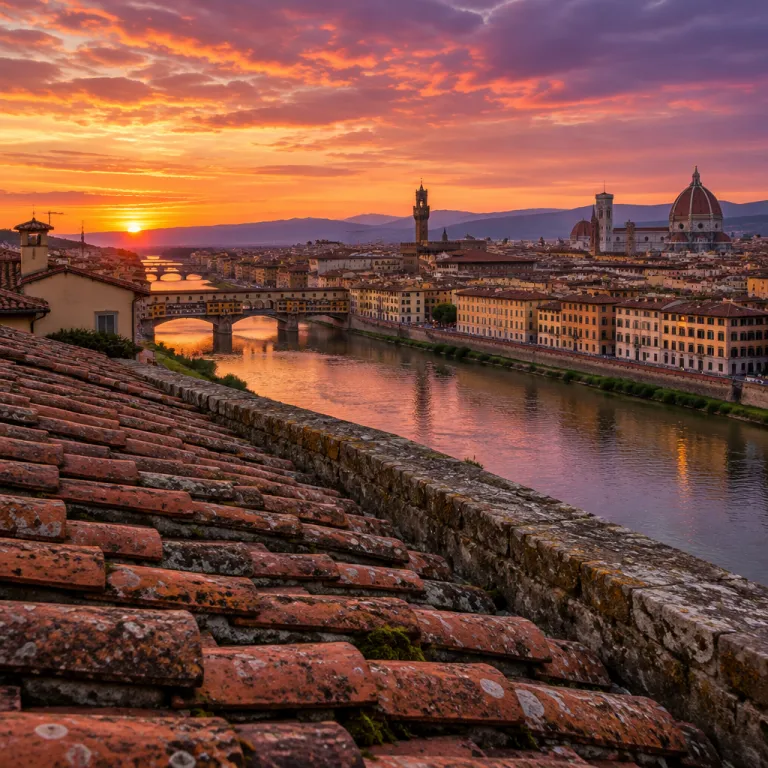
How seasons shape the best time to visit Florence
The best time to visit Florence depends on how you balance comfort, culture, and hotel value. For many travellers, the overall best season and best month cluster around April, May, September, and October, when the weather is gentle and the city feels welcoming yet manageable. During each time of year, the rhythm of Florence, Italy, shifts in ways that directly affect where and when you should book your room.
Travel researchers such as Florence Factory, Ana's Secret Guide, and TripSapien all converge on the same advice about the best time to visit Florence, noting that April–May and September–October offer mild weather and lighter crowds. Those shoulder season months bring average temperatures that are warm enough for evening strolls yet cool enough for long museum days, which is ideal if you plan to visit Florence for both art and dining. When you compare each season, you will see that this time of year usually delivers the best balance between hotel availability, rates, and the overall quality of your stay in Florence, Italy.
During April and May, the average temperature rises towards 22–25 °C in the afternoon, while nights remain fresh enough for a comfortable sleep without heavy air conditioning. In September and October, average temperatures hover in the low to mid twenties during the day, and this makes it easier to schedule a guided tour of the Florence Cathedral dome or a visit to the Uffizi Gallery without worrying about heat exhaustion. Data from the Italian Air Force Meteorological Service and Meteo.it confirm that these months consistently record some of the most pleasant daytime highs of the year, which helps explain why hotel occupancy is high but not yet at peak-season saturation.
Weather, average temperatures, and how they influence hotel choices
Understanding Florence weather patterns is essential when you decide on the best time to visit Florence for your hotel stay. The city experiences a classic Mediterranean climate, with hot summer months, a mild autumn season, and a cooler but rarely harsh winter period. Each time of year brings different average temperatures, which in turn shape demand for rooms and the type of experience you will have once you check in.
In late spring, the average temperature in May reaches around 24–25 °C during the day and drops to about 12 °C at night, which makes it easy to walk between your hotel and the Accademia Gallery without arriving overheated. By September, average temperatures rise slightly to about 26–27 °C in the afternoon and 15 °C after dark, and this is one reason why September–October dates are so popular with travellers who want to visit Florence while still enjoying outdoor dining. When you plan your time visit, remember that these average temperatures are not just numbers; they determine whether you will want a room with a terrace, a shaded courtyard, or simply efficient air conditioning.
Summer in Florence, Italy, especially July–August, often brings intense heat that pushes the average temperature well above 30 °C, and this can make midday sightseeing near the cathedral square feel exhausting. During this summer season, many guests retreat to their hotels in the early afternoon, so a property with a pool, a cool lounge, or thick stone walls becomes a real asset. In contrast, winter months are cooler and sometimes damp, but hotel rooms are easier to secure at favourable rates, and the quieter city streets can feel like a private stage for your own guided tour between the Uffizi Gallery and the Arno river.
Summer peaks, August slowdowns, and the reality of high season
High summer is both the best and the most challenging time to visit Florence, depending on your priorities for the trip. From June through August, the city experiences its highest visitor numbers, and this peak season drives hotel demand to levels that require careful planning and early booking. If you are considering a stay in Florence, Italy, during this time of year, you need to understand how July–August patterns will shape your experience.
During July, the weather is typically hot and dry, and many travellers combine a visit Florence itinerary with a cruise stop or a wider Italy best tour that includes Rome and Pisa. This creates intense pressure on centrally located hotels near the cathedral, the Uffizi Gallery, and the Accademia Gallery, where rooms with reliable air conditioning and soundproofing are reserved months in advance. STR and ENIT reports indicate that average hotel occupancy in Florence can exceed 80–85% in July and August, with nightly rates often 25–35% higher than in January or February, especially in the Duomo, Santa Maria Novella, and Oltrarno districts.
August in Florence, Italy, can be a paradoxical month, with crowded museums yet quieter residential streets and a distinct rhythm in hotel operations. Many guests arrive from cruise excursions or from other European cities such as Barcelona, using Florence as a cultural highlight in a longer summer journey. One recent visitor described stepping from a packed gallery into a nearly empty side street as “like changing channels,” a contrast that captures the feel of the season. If you choose this period as your best time to visit Florence, focus your travel tips on securing a hotel with strong air conditioning, flexible breakfast hours, and perhaps a shaded terrace where you can rest during the hottest time of day.
Autumn charm, harvest season, and refined hotel experiences
For many seasoned travellers, the true best time to visit Florence aligns with the early autumn season. From September through October, the city settles into a calmer rhythm, the weather softens, and hotel stays become more relaxed yet still vibrant. This is also the harvest season in Tuscany, when vineyards and olive groves around Florence, Italy, are at their most active and atmospheric.
During September–October, average temperatures remain warm enough for evening aperitivo on hotel terraces, while the sun is gentle enough for long walks between the cathedral and the riverside. Key events linked to wine and food take place across the region, and many hotels curate special menus or partner with local estates to offer tastings that celebrate the harvest season. If you plan to visit Florence at this time of year, you will often find that room rates are more reasonable than in peak summer, yet the city still offers a full calendar of cultural activities.
Autumn also brings fewer crowds to major sites such as the Uffizi Gallery and the Accademia Gallery, which means your guided tour can feel more intimate and less hurried. Guests who combine Florence with day trips to Pisa or even a short flight from Barcelona often choose this month window because it balances comfort and convenience. ENIT tourism summaries note that average occupancy in October typically falls back towards 65–70%, and sample nightly rates in central mid-range hotels can be 15–20% lower than in July, which helps the softer weather, the harvest atmosphere, and the calmer hotel environment in autumn elevate your overall experience in Florence, Italy.
Winter calm, cultural depth, and value for hotel guests
Choosing winter Florence as your time to visit can be a strategic decision if you value tranquillity and depth over sunshine. From late November through March, the city experiences its quietest season, with cooler weather, shorter days, and significantly fewer crowds in both hotels and museums. For travellers focused on art, food, and unhurried exploration, this can still be the best time to visit Florence.
During this time of year, average temperatures are lower, often ranging between 8–12 °C during the day and 2–4 °C at night, and you will want a hotel with efficient heating and perhaps cosy communal spaces rather than a rooftop pool. The Uffizi Gallery, the Accademia Gallery, and the cathedral complex are far less congested, so a guided tour can linger over details that are often rushed in summer. Many hotels respond to this season by offering attractive packages, extended breakfast hours, or late check out options, which can make a winter Florence stay particularly comfortable and good value.
Some travellers pair a winter visit Florence itinerary with a broader Italy best journey that includes cities such as Pisa or even a side trip to Barcelona, using Florence as the cultural anchor. STR benchmarking for Florence suggests that average occupancy in January can drop below 50%, with nightly prices in some three and four star properties in areas like Santa Croce or San Lorenzo starting from roughly 30–40% under peak-season levels. If you are flexible about weather and focus on atmosphere, this quieter month range may become your personal best time and best season to experience Florence, Italy, from the comfort of a well chosen hotel.
Strategic travel tips for aligning hotel bookings with Florence seasons
Once you understand how each season affects the city, you can align your hotel strategy with the best time to visit Florence for your own needs. Start by deciding whether your priority is weather comfort, access to key events, or the ability to enjoy fewer crowds in both public spaces and hotel corridors. Then match your preferred time of year with specific neighbourhoods and property types that complement your style of travel.
If you plan to visit Florence in April or during September–October, book your room several months ahead, especially near the cathedral or the riverfront, because these areas see strong demand in shoulder seasons. For July–August stays, focus on hotels with strong air conditioning, shaded courtyards, and perhaps proximity to tram or bus lines that reduce walking time in the heat. Travellers who choose winter Florence or late autumn often find last minute offers, but they should still check whether their preferred hotel keeps all services fully operational during the quieter month periods.
When combining Florence, Italy, with side trips to Pisa, cruise excursions, or even a multi city itinerary that includes Barcelona, consider how travel days intersect with local key events and holidays. A well timed guided tour of the Uffizi Gallery or the Accademia Gallery can be scheduled for early morning, leaving afternoons free to enjoy your hotel amenities during the warmest or wettest weather. By treating the best time, the best season, and the specific time visit as interconnected decisions, you will secure a hotel stay that reflects the true character of Florence, Italy, at its most rewarding.
Key figures that define the best time to visit Florence
- Average high temperatures in May reach about 24–25 °C, while average lows are around 12 °C, creating ideal conditions for comfortable walks between your hotel, the cathedral, and the Uffizi Gallery (TripSapien data, based on long term climate tables from the Italian Air Force Meteorological Service and Meteo.it).
- In September, the average high temperature is approximately 26–27 °C, with lows near 15 °C, which explains why many travellers consider September–October the best time to visit Florence for outdoor dining and evening strolls (TripSapien data and regional climate summaries from Tuscan tourism offices).
- Travel advisory analyses show that April–May and September–October combine mild weather with lighter crowds, which directly supports higher guest satisfaction scores for hotels in central Florence, Italy, during these months.
- Tourism trend reports indicate that summer visitor numbers have risen steadily, making June–August the peak season for hotel demand, while winter months see the lowest occupancy and the greatest potential for value driven stays, with average nightly rates often 20–30% below high season according to ENIT and STR benchmarking for Florence.
FAQ: planning your Florence hotel stay by season
What is the best month to visit Florence for a hotel stay ?
The most balanced months for a hotel stay in Florence, Italy, are April, May, September, and October, when the weather is mild, average temperatures are comfortable, and hotel demand is strong but not overwhelming. These periods offer fewer crowds than peak summer, yet the city remains lively and fully operational. If you value both comfort and atmosphere, this is often the best time to visit Florence.
Is Florence very crowded in summer, and how does that affect hotels ?
Summer, especially July–August, is the busiest season in Florence, with high visitor numbers driven by school holidays, cruise traffic, and multi city itineraries that include Pisa or Barcelona. Hotels near major landmarks such as the cathedral, the Uffizi Gallery, and the Accademia Gallery often reach full occupancy, and rates reflect this intense demand. Travellers who choose this time of year should book early and prioritise properties with strong air conditioning and quiet rooms.
Are winters in Florence too cold for a comfortable trip ?
Winters in Florence are cool rather than severe, and average temperatures usually stay above freezing, which allows comfortable sightseeing with appropriate clothing. Winter Florence months bring fewer crowds, lower hotel rates, and a calmer atmosphere in both museums and streets. For guests who value cultural depth and quiet hotels, this season can be an excellent time visit.
How does the harvest season influence hotel demand around Florence ?
The harvest season in early autumn coincides with September–October, when vineyards and olive groves around Florence, Italy, are particularly active and appealing. Many travellers choose this period as their best time to visit Florence because they can combine city culture with countryside excursions and tastings. Hotels respond with themed menus, special packages, and curated guided tour options, which can increase demand but also enrich the overall stay.
Should I stay in Florence if I also want to visit Pisa or Barcelona ?
Florence works well as a base for day trips to Pisa, thanks to frequent train connections and manageable travel times. Travellers who include Barcelona in a wider itinerary often fly between the two cities, using Florence as the Italian cultural highlight. When planning such routes, align your hotel bookings with the best season and average temperatures in each city so that your overall journey feels coherent and comfortable.
References
- Florence Factory – travel guidance on optimal times to visit Florence, including seasonal hotel advice.
- Ana's Secret Guide – month by month insights on Florence weather, events, and neighbourhoods.
- TripSapien – climate data, occupancy trends, and seasonal recommendations for Florence, Italy.