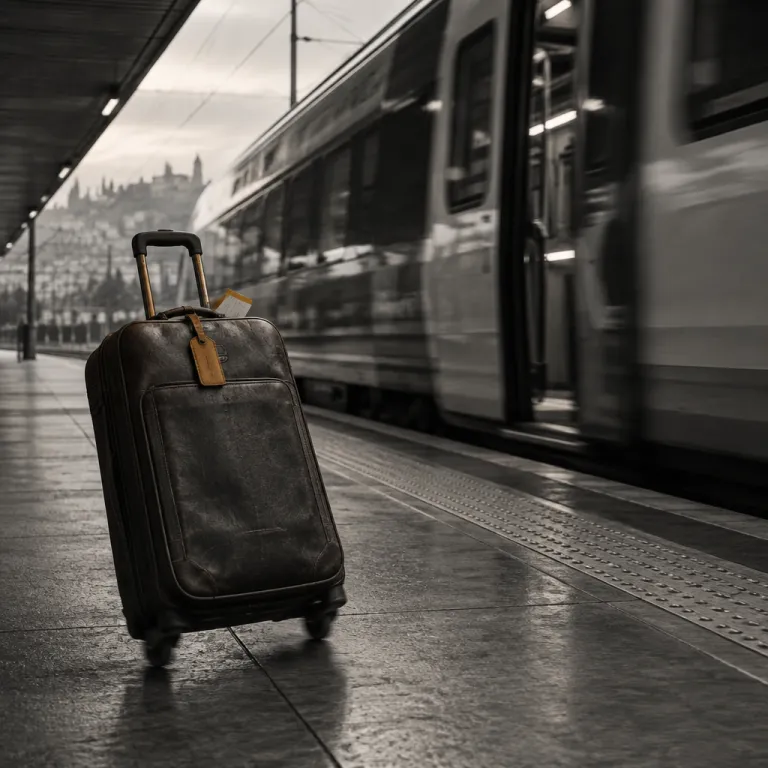
Why the train from Rome to Florence, Italy suits modern Tuscan stays
Choosing the train from Rome to Florence, Italy aligns closely with current travel habits. Many travellers now prefer high-speed rail over short domestic flights, valuing lower emissions, simpler boarding, and the absence of airport security queues. This shift matters when you are planning a refined stay in Florence and want your journey to echo the elegance of your hotel.
High-speed services on the Roma–Firenze corridor, such as Frecciarossa and Italo, compress the journey to about 1 hour 30 minutes, with the fastest runs scheduled at around 1 hour 25 minutes. That short travel time lets you leave Rome after breakfast and still check into your Florence hotel before lunch, which is ideal if you want to start exploring the centro storico the same day. With frequent departures throughout the day and flexible tickets, you can adapt your schedule around check-in and check-out times without stress.
Both Trenitalia and Italo operate the main high-speed route between Rome and Florence. These fast trains usually depart from Roma Termini or Roma Tiburtina station and arrive at Firenze Santa Maria Novella station, which locals simply call Maria Novella. Because the Florence train station sits close to major hotels, you can often walk to your property in less than 10 minutes, turning the last leg of the trip into a gentle stroll rather than a long transfer.
From Roma Termini or airport to Florence: mapping your door to door journey
When you travel from Roma Fiumicino, your first decision is how to reach Roma Termini station. The Leonardo Express airport train runs frequently between Fiumicino and Termini, and it keeps your journey fully rail based from arrival gate to Florence. If you prefer fewer changes, some high-speed services depart from Roma Tiburtina, which you can reach by regional train or taxi from Rome Fiumicino Airport.
Once at Roma Termini, you will find clear signage for the high-speed platforms used by both Trenitalia and Italo. Allow at least 20 minutes of extra time at the station, especially if you are unfamiliar with Italian rail layouts and need to locate your carriage. Business and Prima classes on many fast trains include fast-track style boarding lanes, which shorten queues and make the transition from Roma to Florence smoother.
Travellers arriving from Roma Ciampino Airport usually take a bus or taxi into the city before boarding trains from Termini. Whether you come from Roma’s historic centre or stay near the Vatican, reaching the main station early lets you choose between multiple departures morning, afternoon, and evening. This flexibility is valuable if your Florence hotel offers early check-in or luggage storage, as you can adjust your rail departure from Rome to Florence to match.
For a deeper look at how costs and patterns have shifted, especially if you are comparing rail with flights or car hire, you can read this analysis on whether Florence, Italy is expensive to visit after the pandemic shift at a detailed Florence travel cost guide. Understanding the broader price landscape helps you balance train tickets, hotel rates, and in-city expenses.
Choosing between Trenitalia and Italo trains for Rome–Florence
On the Rome–Florence high-speed corridor, Trenitalia and Italo compete closely, which benefits you as a hotel-focused traveller. Trenitalia’s Frecciarossa services run very frequently, while Italo trains offer comparable speed with slightly different onboard atmospheres. Both operators provide reserved seating, air conditioning, and modern carriages that suit guests heading to higher-end Florence properties.
Trenitalia often appeals to travellers who value integrated connections, such as regional services beyond Florence Santa Maria Novella. If you plan to continue from Florence train platforms towards Pisa, Siena, or the Chianti area, a single Trenitalia ticket can simplify your itinerary and reduce transfer stress. Italo, by contrast, focuses on point-to-point high-speed routes, which can be ideal if you only travel from Rome to Florence and then stay several nights in the city.
On board, both Frecciarossa and Italo trains usually provide free WiFi, power sockets, and comfortable leather seats in premium classes. These features turn the rail journey between Rome and Florence into a productive or relaxing interlude, rather than lost time between hotel stays. If you book higher classes, you may also receive complimentary drinks or snacks, which subtly elevates the journey to match an upscale Florence hotel experience.
How to buy and time your tickets for a seamless hotel arrival
Securing tickets for trains from Rome to Florence is straightforward, but timing matters when you coordinate with hotel policies. Advance purchase fares on both Trenitalia and Italo can be significantly cheaper, especially on popular daytime departures. On the Roma–Firenze route, promotional one-way tickets can sometimes start around €20–€25 in second class, while fully flexible options in premium cabins may cost several times more.
When you plan your travel time, work backwards from your Florence hotel check-in window. Aim to arrive at Firenze Santa Maria Novella station at least one hour after the earliest possible room access, which gives you margin for minor train delays. If your property offers luggage storage, you can safely arrive earlier and enjoy a leisurely walk from the station through the historic streets of Florence.
For many visitors, a mid-morning high-speed train from Roma Termini to Florence balances rest and efficiency. You avoid the commuter rush at the station, yet still reach your hotel in time for an afternoon stroll near the Duomo or the Arno. Evening departures are useful if you want to enjoy one last dinner in Rome before transferring from Roma to your Tuscan base.
Inside the high speed experience: comfort, connectivity, and post pandemic expectations
The interior of a modern high-speed train between Rome and Florence feels closer to a well-designed lounge than to older rolling stock. Many carriages feature wide leather seats, generous legroom, and large windows that frame the Lazio and Tuscany countryside. With free WiFi on most services, you can confirm Florence restaurant reservations or message your hotel while you travel.
Since the pandemic, travellers expect cleaner environments and clearer information on board both Trenitalia and Italo trains. Operators have responded with more visible cleaning routines, contactless ticket checks, and better digital updates about any delay or platform change. These measures align with the standards many guests now demand from higher-category hotels in Florence, where hygiene protocols and transparent communication are non-negotiable.
On some high-speed services, especially in Business or Prima classes, you will notice quieter carriages that suit remote work or simple relaxation. This calm atmosphere contrasts with the bustle of an airport terminal and helps you arrive in Florence rested rather than drained. One frequent visitor described stepping off the Frecciarossa at Maria Novella as “walking out of a quiet lounge straight into the city,” which captures why many people choose a direct rail link from Rome to Florence every time they return.
From Firenze Santa Maria Novella station to your Florence hotel
Arriving at Firenze Santa Maria Novella station places you at the heart of the city, only a short walk from many leading hotels. The station, often called Maria Novella, sits near Piazza Santa Maria Novella and within easy reach of the Duomo and the Arno. This central position means your travel from Roma to Florence ends gracefully, without a long taxi ride cutting into your first evening.
Outside the station, you will find taxis, tram lines, and bus stops that connect to neighbourhoods like Oltrarno, San Niccolò, and Campo di Marte. If your hotel lies within the limited traffic zone, taxis have permission to enter, while private cars may face restrictions and fines. For guests with lighter luggage, walking from the Florence train station to central properties often takes less than 15 minutes along well-lit streets.
Many hotels now tailor their services to guests arriving by high-speed trains rather than by car. You may find early luggage storage, flexible check-in windows, and staff ready to advise on return trains from Florence to Rome for your departure day. When you plan both your outbound and inbound rail journeys between Rome and Florence, you create a coherent, stress-free framework around which the rest of your Tuscan stay can unfold.
Post pandemic travel patterns: why rail and Florence hotels now go hand in hand
Recent trends show a clear preference for rail when travellers move between Rome and Florence. Many visitors now value the lower environmental impact of high-speed trains, especially when their itinerary includes several Italian cities. This shift supports Florence hotels that market themselves as aligned with sustainable travel choices and slower, more immersive stays.
Flexible working habits also influence how people use trains from Rome to Florence and beyond. Guests increasingly extend business trips into long weekends, booking a Florence hotel for extra nights while keeping in touch with their office via free WiFi on board. The ability to work comfortably from a leather seat on a fast train makes this blended travel style both practical and appealing.
Finally, the predictability of rail schedules between Roma Termini and Firenze Santa Maria Novella reassures travellers who have become more risk averse. Knowing that multiple high-speed departures run every hour or so allows you to plan museum entries, restaurant bookings, and spa appointments with confidence. In this context, the train from Rome to Florence, Italy is no longer just transport; it is a structural pillar of the modern Tuscan hotel experience.
Key figures on Rome–Florence rail travel and Florence stays
- High-speed trains between Rome and Florence typically take about 1 hour 30 minutes, with the quickest services scheduled at around 1 hour 25 minutes, compared with around 3 hours by car, which effectively doubles your usable time in the city.
- On busy days, there can be more than 70 high-speed departures in total on the Rome–Florence route, giving travellers a train option roughly every 15 to 20 minutes during peak periods (based on 2023 timetable patterns published by the main operators).
- Firenze Santa Maria Novella station handles tens of millions of passengers annually, reflecting its role as the primary rail gateway for visitors staying in central Florence hotels, according to recent figures from Italian rail authorities.
- Surveys by Italian tourism bodies show that rail accounts for a growing share of domestic city-to-city trips, with the Rome–Florence corridor among the most heavily used for leisure and business combined in the post-2020 period.
- Average advance purchase fares on high-speed trains can be significantly lower than last-minute prices, with savings often exceeding 40 percent when booking several weeks before travel, as indicated by published fare grids from Trenitalia and Italo.
FAQ: train from Rome to Florence, Italy and hotel planning
How long does the train from Rome to Florence usually take ?
High-speed trains between Roma Termini and Firenze Santa Maria Novella usually take about 1 hour 30 minutes. Some slightly faster services are scheduled at around 1 hour 25 minutes, while older Intercity or regional trains may take over 3 hours. For most hotel guests, choosing a high-speed service offers the best balance of time and comfort.
Should I choose Trenitalia or Italo for Rome–Florence ?
Both Trenitalia and Italo trains provide fast, comfortable services on the Rome–Florence route. Trenitalia is convenient if you need onward regional connections beyond Florence, while Italo focuses on direct high-speed links between major cities. Your choice often comes down to timetable, price, and preferred onboard atmosphere rather than major differences in speed.
Which station in Florence is best for hotel access ?
Firenze Santa Maria Novella is the main station and the best option for most hotels. It sits close to the historic centre, with many properties within walking distance or a short taxi ride. Secondary stations like Campo di Marte serve specific areas but are less convenient for first-time visitors.
How early should I arrive at Roma Termini before my train ?
Arriving 20 to 30 minutes before departure is usually sufficient at Roma Termini. This gives you time to find your platform, locate your carriage, and handle any last-minute issues. If you are unfamiliar with the station or travelling with children, consider allowing a little extra time.
Is taking the train from Rome to Florence better than flying ?
For most travellers, the train from Rome to Florence is faster door to door than flying. When you factor in travel to and from airports, security checks, and boarding times, rail usually wins on both duration and comfort. The central location of Firenze Santa Maria Novella also makes reaching your hotel simpler and often cheaper.