Why tuscany trees matter when you book a Florence hotel
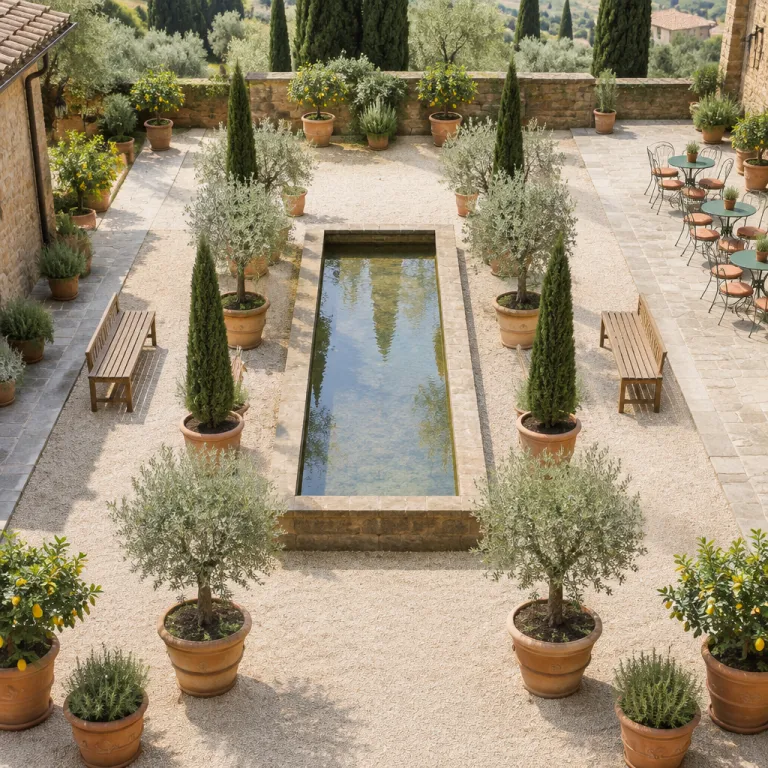
Choosing a hotel in Florence is not only about the room. For many guests, the real luxury is stepping into a quiet courtyard framed by tuscany trees after a day among Renaissance masterpieces. In a city where space is precious, a private garden with a single sculptural tree or a cluster of cypress trees can transform your stay.
Florence sits at the heart of Tuscany, and the city’s best garden focused properties echo the wider Tuscan countryside with cypress, olive trees, and low stone walls. When you book, look for descriptions that mention inner cloisters, historic giardini, or terraces overlooking rolling hills, because these details usually signal meaningful green spaces rather than decorative pots. This is where the atmosphere of rural Italy quietly enters your urban base, giving you time to slow down between museum visits and evening walks along the Arno.
Many historic palazzi hide tranquil courtyards where a single cypress tree rises beside terracotta pots of herbs. Others open onto larger gardens planted with trees tuscany is famous for, such as Cupressus sempervirens and gnarled olive trees that recall the landscapes of Val d’Orcia. When you picture your stay, imagine early morning light on stone, the scent of jasmine, and the soft rustle of leaves instead of traffic noise.
Courtyard design inspired by tuscany trees and the val orcia
Some of Florence’s most appealing hotels design their courtyards as miniature versions of the Val d’Orcia landscape. You might see a gravel path lined with a cypress tree on each side, echoing the famous cypress lined drives near Pienza and San Quirico d’Orcia. Even in a compact space, these trees cypress create vertical rhythm and a sense of procession as you walk from lobby to garden.
Landscape architects often borrow from the agricultural patterns of Tuscan fields, alternating low hedges with small lawns and rows of olive trees. This structure recalls the patchwork of wheat fields and vineyards on the rolling hills of the Tuscan countryside, while remaining practical for a city hotel that must balance shade, seating, and circulation. When you see references to “cloister gardens” or “Renaissance layouts”, expect geometric beds softened by the organic silhouettes of tuscany trees and seasonal flowers.
Plant choices usually combine evergreen cypress with fruiting species that thrive in Italy’s central climate. Lemon trees in terracotta, a solitary tree cipresso at the center of a gravel circle, and clipped shrubs create year round structure, while climbing roses and wisteria add seasonal color. At night, carefully placed lighting grazes the trunks of cypress trees and highlights the texture of stone, turning even a small courtyard into an elegant outdoor lounge.
How hotel gardens bring the tuscan countryside into Florence
Staying in Florence does not mean giving up the feel of the Tuscan countryside. Many properties on the city’s southern hills or near the Arno river open onto terraces that frame distant hills dotted with cypress trees and hilltop towns. From a shaded pergola you may glimpse the same silhouettes of Cupressus sempervirens that define postcards of trees tuscany travelers love.
Some hotels occupy former villas where the original agricultural plots once produced olive oil for Florentine families. Today, these grounds often retain small groves of olive trees and a cypress lined driveway, while adding pools, quiet seating corners, or even a compact golf course for guests. Well known examples include Villa Cora above the Boboli Gardens and Belmond Villa San Michele in Fiesole, both of which preserve historic parkland while adapting it for contemporary hospitality. When you read about “estate gardens” or “historic parks”, you are likely to find a landscape that still reflects the working land of Tuscan farms, only adapted for leisure and contemplation.
Even central properties without expansive grounds can evoke Val d’Orcia through thoughtful planting and materials. A narrow courtyard paved in stone, a single cypress tree rising beside a fountain, and terracotta pots of herbs can suggest the wider Tuscan hills in miniature. Look for photos where light falls across foliage and walls rather than only on furniture, because this usually indicates that trees, not just décor, shape the experience.
Design details to look for when choosing your Florentine garden escape
When comparing hotels, pay close attention to how outdoor spaces are described and photographed. A genuine garden retreat will show mature trees, layered planting, and clear pathways that invite you to walk, sit, and linger at different times of day. If every image focuses on tables and cushions, the courtyard may feel more like an outdoor café than a sanctuary shaped by tuscany trees.
Notice whether the design uses vertical elements such as a cypress tree or tall shrubs to create privacy between seating areas. In the best examples, these trees cypress are positioned to frame views of Florence’s domes or distant hills, while also filtering light and softening sound from nearby streets. This approach echoes the way famous cypress avenues in Val d’Orcia guide the eye toward Pienza, San Quirico, or other Italian towns perched on rolling hills.
Materials matter as much as planting in evoking the Tuscan countryside within city walls. Gravel paths, stone benches, and terracotta planters filled with olive trees or a single tree cipresso help connect your urban stay to the wider landscapes of Tuscany. Subtle lighting that grazes trunks and walls rather than flooding the space will let you enjoy the play of light and shadow among branches long after sunset.
Day trip landscapes and how hotels echo them in miniature
Many guests pair a Florence stay with a day trip into the surrounding Tuscan countryside. Popular routes lead south toward Val d’Orcia, where cypress trees march along ridgelines and fields roll away in soft curves. From the road between San Quirico d’Orcia and Pienza, you see the archetypal trees tuscany is known for, standing like exclamation marks against the sky.
Other excursions head toward San Gimignano, whose medieval towers rise above vineyards and olive trees that still produce celebrated olive oil. These landscapes, shaped since the Middle Ages, combine agriculture and beauty in a way that feels both practical and poetic. When you return to Florence in the evening, a hotel courtyard planted with Cupressus sempervirens and a few fruit trees can feel like a distilled memory of those wider hills.
Some properties consciously reference these day trip scenes in their garden design. A short cypress lined path may echo the approach to a farmhouse in Val d’Orcia, while a small lawn edged with herbs recalls the gardens of hilltop towns across central Italy. Choosing a hotel that understands this dialogue between city and countryside allows your entire stay, not only your excursions, to be framed by the presence of tuscany trees.
Practical tips for booking a Florence hotel with meaningful green space
When you start shortlisting hotels, read the room descriptions and amenities with a gardener’s eye. Look for mentions of private courtyards, shared terraces with trees, or access to landscaped grounds that include cypress, olive trees, or other long lived species. If possible, study guest photos, because these often reveal whether a “garden” is a true planted space or simply a paved patio.
Consider how you plan to use the outdoor areas during your visit to Italy. If you enjoy an early morning walk with coffee, prioritize properties where paths weave among beds and under the shade of a cypress tree or two. For guests who prefer quiet evenings, a courtyard with layered planting, gentle light, and the silhouettes of tuscany trees against the sky will feel more restful than a brightly lit bar terrace.
Finally, think about seasonality and microclimate when choosing your base in Tuscany. Gardens with a mix of evergreen cypress trees, deciduous shade trees, and drought tolerant planting will remain attractive and comfortable from spring through autumn. In every case, the presence of trees tuscany is famous for, from Cupressus sempervirens to venerable olive trees, signals a hotel that treats its outdoor spaces as an essential part of the guest experience rather than an afterthought.
Key figures on Florence, gardens, and the tuscan landscape
- Florence’s historic center covers roughly 5 square kilometres, which makes internal courtyards and vertical planting with cypress trees especially valuable for creating shade and privacy in dense urban blocks (data from the Comune di Firenze urban planning office, “Piano Strutturale” summary tables).
- The wider Tuscany region includes more than 1,200,000 hectares of agricultural land, with a significant share dedicated to olive trees and vineyards that shape the rolling hills often referenced in hotel garden design (figures from the Italian National Institute of Statistics, ISTAT, regional agriculture reports).
- Val d’Orcia, the landscape that inspires many tuscany trees compositions in hotel courtyards, extends over about 61,000 hectares and has been listed as a UNESCO World Heritage cultural landscape since 2004 for its harmonious blend of towns, fields, and cypress lined ridges.
- Olive oil production in Tuscany regularly accounts for around 3–4 % of total Italian output by volume, but commands higher average prices due to quality classifications, which explains why many Florentine hotels highlight on site or local olive groves in their storytelling (data from the Consorzio Olio Toscano IGP and national olive oil statistics).
- San Gimignano, one of the most visited hilltop towns near Florence, receives several hundred thousand visitors each year, and many city hotels design quiet garden spaces with tuscany trees specifically to offer guests a calm contrast to these busy day trip destinations (visitor statistics from the Comune di San Gimignano tourism office and regional tourism surveys).
FAQ about Florence hotels and tuscany trees inspired gardens
Are there hotels with real gardens in Florence’s historic center ?
Yes, several historic palazzi and former convents in the center retain cloister style courtyards and small gardens planted with cypress trees, citrus, and seasonal flowers. These spaces are usually enclosed by stone walls, which makes them surprisingly quiet despite the central location. When booking, look for properties that show multiple photos of planted courtyards rather than only rooftop terraces.
Which areas of Florence are best for hotels with countryside style views ?
The neighborhoods on the Oltrarno side, especially near Piazzale Michelangelo and along the road toward the Chianti hills, offer the best chances of views toward rolling hills and scattered cypress trees. Some villas converted into hotels in these districts maintain larger grounds with olive trees and lawns. From here, you can often see the transition from city roofs to the wider Tuscan countryside.
Can I experience landscapes like val orcia while staying in Florence ?
You can reach the Val d’Orcia area, including Pienza and San Quirico d’Orcia, on a long day trip by car or organized tour. Many guests choose to stay in Florence for culture and dining, then spend one day among the famous cypress lined roads and fields. Selecting a hotel with a garden that features tuscany trees helps extend that rural feeling when you return to the city.
Do Florence hotels ever produce their own olive oil ?
Some properties on the outskirts of Florence occupy former estates that still cultivate small groves of olive trees. These hotels sometimes produce limited quantities of olive oil for use in their kitchens or for sale to guests. If this interests you, look for descriptions mentioning private estates, agricultural history, or on site olive groves.
How should I evaluate garden photos when choosing a hotel online ?
Focus on images that show mature trees, layered planting, and different seating areas rather than only decorative furniture. A presence of cypress trees, olive trees, and shaded paths usually indicates a thoughtfully designed space that will feel comfortable at various times of day. Guest photos can be especially revealing, because they often show how light, shade, and greenery work together in everyday use.
References
ISTAT – Istituto Nazionale di Statistica ; Comune di Firenze urban planning office ; UNESCO World Heritage Centre ; Consorzio Olio Toscano IGP ; Comune di San Gimignano tourism office.